

Key Takeaways
- Document the scene thoroughly before moving or repairing your vehicle.
- Contact your insurer promptly - most policies have notification deadlines.
- Understanding your deductible and coverage type determines what you'll actually receive.
- You have the right to ask questions and dispute a settlement offer you believe is inaccurate.
- Keeping a personal claims folder - photos, receipts, notes - protects your position throughout the process.
What you will need
Why the Claims Process Feels Complicated - And How to Simplify It
Most drivers file a claim under stress, with incomplete information, and little familiarity with how the process actually works. That combination - not the process itself - is what makes claims feel overwhelming. The mechanics are straightforward: document, notify, cooperate with the adjuster, review the outcome.
What complicates things is not knowing your coverage before you need it, or skipping documentation steps at the scene. This guide walks through each stage in the order you'll actually encounter it. For context on how your coverage choices shape the outcome, see Auto Insurance Decoded. And if you want to make sure your policy still fits your situation, the annual policy review checklist is worth bookmarking.
Build a Simple Claims Folder Before You Need One
Create a folder - digital or physical - that holds your insurance card, policy number, and roadside assistance contact. If you're ever in an accident, you'll have everything in one place without scrambling. Update it whenever you renew or change coverage.
What you will need
Smartphone with camera
Photograph damage, license plates, VINs, road conditions, and any injuries at the scene.
Insurance card or app
Provides your policy number and insurer contact details when exchanging information.
Pen and paper (or notes app)
Record witness names, contact information, and a factual account while details are fresh.
Claims folder or digital storage
Centralizes all claim-related documents, estimates, receipts, and correspondence.
Step-by-Step: From Incident to Settlement
Follow these steps in order. Each builds on the one before it, and skipping any stage - especially early documentation - can limit your options later.
Never Admit Fault at the Scene
Even if you believe you were partly responsible, statements made at the scene can be used against you during the claims process. Stick to exchanging information and describing the facts to your insurer. Fault is determined through investigation, not roadside conversation.
Ensure Safety and Call Emergency Services if Needed
Before anything else, check whether anyone is injured. If there are injuries, call 911 immediately. Move vehicles out of active traffic lanes only if it is safe to do so and your state permits it. A police report - even for minor incidents - creates an independent record that can be valuable during your claim.
Document the Scene Thoroughly
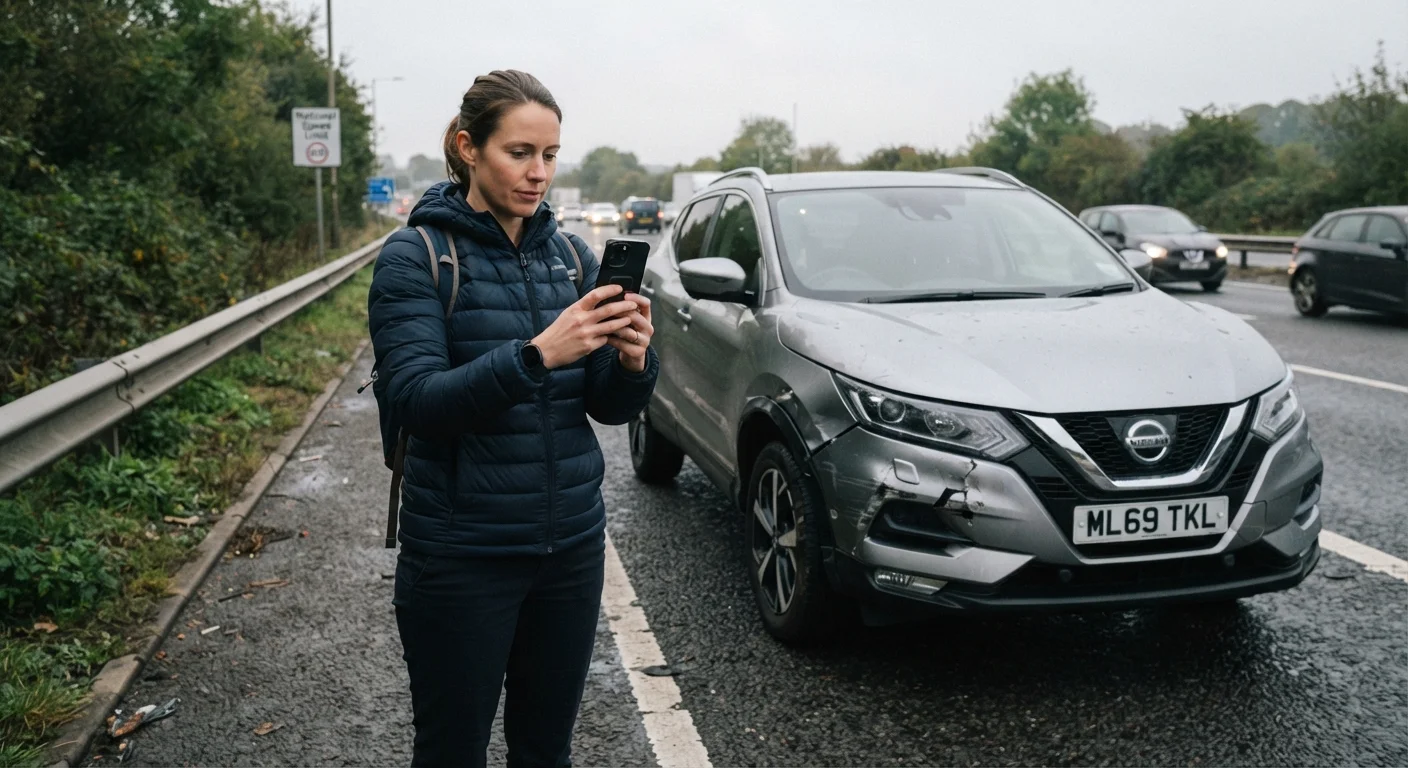
Use your phone to photograph all vehicles involved from multiple angles, capturing damage, license plates, and VINs where visible. Also photograph the surrounding area - road conditions, traffic signals, skid marks, and any relevant signage. Note the time, date, weather, and exact location.
Collect the following from every other driver involved:
- Full name and contact number
- Driver's license number and state
- License plate number
- Insurance company name and policy number
- Vehicle make, model, and year
If witnesses are present, politely ask for their names and phone numbers.
Notify Your Insurer Promptly
Contact your insurance company as soon as possible - ideally the same day. Most insurers have 24-hour claims lines or mobile apps. You'll be asked for your policy number, a description of what happened, the other party's information, and the police report number if one was filed.
Your insurer will assign a claims adjuster to your case and explain the next steps specific to your situation.
Understand What Your Coverage Actually Covers
The outcome of your claim depends heavily on which coverages apply. For example:
- Collision coverage pays for damage to your vehicle regardless of fault, minus your deductible.
- Comprehensive coverage handles non-collision events like theft, weather, or falling objects.
- Liability coverage covers damage or injuries you cause to others - it does not cover your own vehicle.
- Uninsured/underinsured motorist coverage applies when the at-fault driver lacks adequate insurance.
If you're uncertain about the terms, the Auto Insurance Glossary is a useful plain-language reference. Choices you made at policy purchase - particularly around deductibles - directly shape your payout. Common coverage missteps are worth reviewing so you understand any gaps.
Work Through the Adjuster's Assessment
Your adjuster will inspect the vehicle - either in person or via photos you submit - and produce a damage estimate. You may be directed to a network repair shop or given the option to use your own. Either way, obtain an independent repair estimate so you have a comparison point.
Keep all receipts: towing, rental car, storage fees, and any out-of-pocket costs related to the incident. These may be reimbursable under your policy's additional coverages.
Review the Settlement Offer Before Accepting
Once the adjuster completes their review, you'll receive a settlement offer. Read it carefully before signing. Confirm it covers all documented damage and costs. If your vehicle is declared a total loss, the insurer will base the payout on actual cash value - the market value of your car before the incident, not its replacement cost.
If you believe the offer is inaccurate, you can negotiate. Provide supporting documentation such as comparable vehicle listings, repair receipts, or a second appraisal. Most policies also include a formal appraisal or dispute process you can invoke.
Missing Your Policy's Reporting Window
Most auto insurance policies require you to report an incident within a specific timeframe - often as little as 24 to 72 hours. Waiting too long can give the insurer grounds to deny your claim entirely. Check your policy's declarations page or call your insurer's claims line immediately after an incident.
This article provides general information about the auto insurance claims process and is not a substitute for your actual policy terms or advice from a licensed insurance professional. Coverage, procedures, and timelines vary by insurer, policy, and state. Always consult your insurer and policy documents for guidance specific to your situation.