

Key Takeaways
- Chronic stress is biologically distinct from short-term stress and can affect multiple organ systems.
- The hypothalamic-pituitary-adrenal (HPA) axis is a central pathway through which stress shapes bodily function.
- Prolonged elevated cortisol is linked to disrupted sleep, immune suppression, and cardiovascular strain.
- The brain itself - including memory and emotional regulation areas - can be structurally affected by chronic stress.
- Lifestyle factors like sleep, movement, and nutrition interact with stress resilience in meaningful ways.
- Recognizing chronic stress early and seeking professional support are important steps toward managing it.
Chronic Stress
Chronic stress is a state of prolonged psychological and physiological tension that persists over weeks, months, or longer - unlike acute stress, which is short-lived and often useful. It arises when the body's stress-response system remains activated without adequate recovery. Over time, this sustained activation can have measurable effects on physical and mental health.
Physiologically, chronic stress is associated with persistently elevated levels of cortisol and other glucocorticoids, which can dysregulate immune function, inflammatory pathways, and neuroendocrine systems.
How the Body Responds to Stress
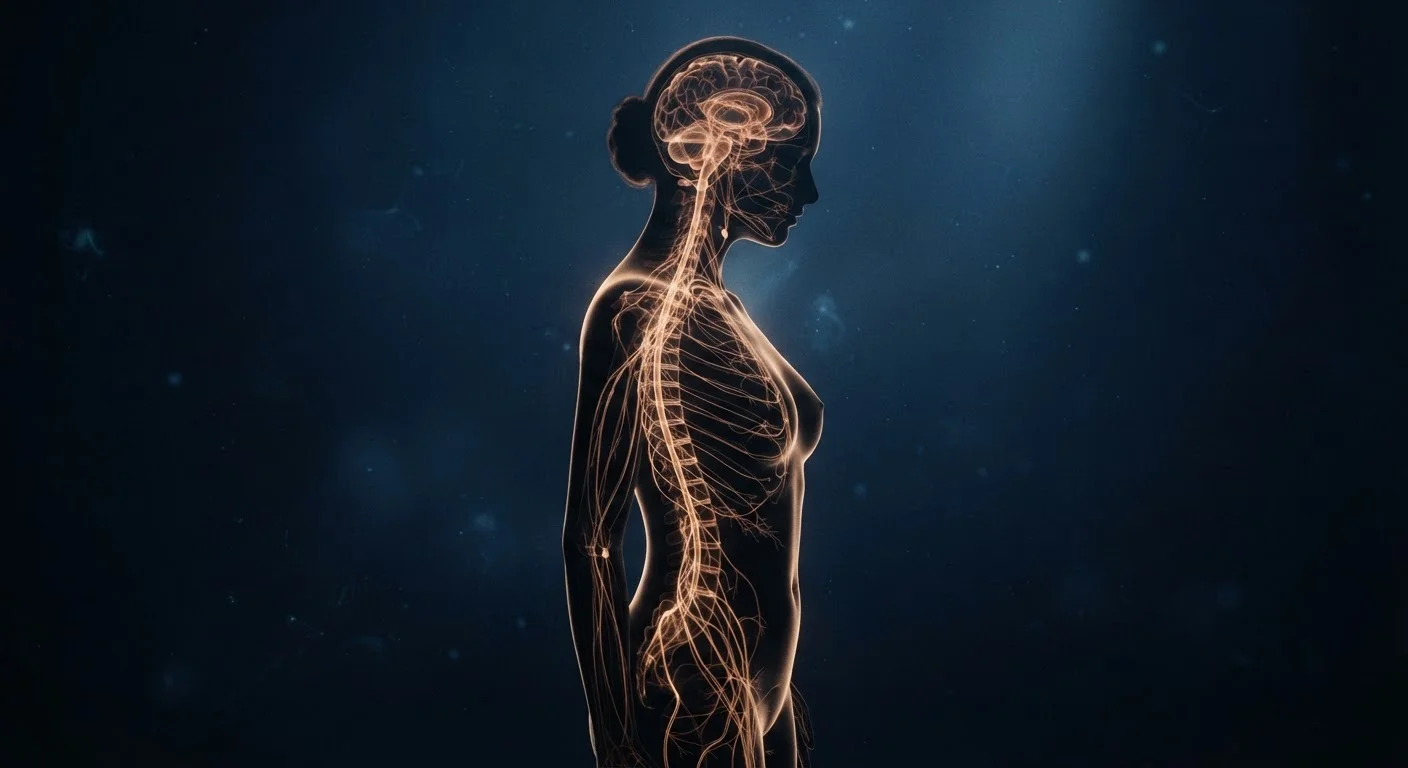
When the brain perceives a threat - whether physical danger or a looming deadline - it activates the hypothalamic-pituitary-adrenal (HPA) axis, a network linking the brain to the adrenal glands. This triggers the release of cortisol, often called the stress hormone, along with adrenaline. Together, these hormones prepare the body for immediate action: heart rate rises, muscles tense, digestion slows, and attention sharpens.
This acute stress response is a survival mechanism. In short bursts, it serves an important biological purpose. The problem with chronic stress is that the alarm system never fully switches off. The HPA axis remains activated, and cortisol levels stay elevated for far longer than the body is designed to sustain.
Not All Stress Is Harmful
Short-term stress - sometimes called 'eustress' - can sharpen focus and motivate action. The concern arises when the stress response becomes the body's default state with no off-ramp. The distinction between manageable and chronic stress lies largely in duration, intensity, and the presence of recovery periods.
What Prolonged Stress Does to Physical Health
Research has linked chronically elevated cortisol to a wide range of physiological effects. Among the most studied are:
- Cardiovascular strain: Persistent stress is associated with higher blood pressure and increased heart rate over time, factors that cardiovascular researchers have connected to elevated risk for heart disease.
- Immune suppression: High cortisol levels can blunt the body's normal immune defenses and promote low-grade inflammation - a state increasingly recognized as relevant to multiple chronic conditions.
- Sleep disruption: Cortisol follows a natural daily rhythm that promotes alertness in the morning and winds down at night. Chronic stress can distort this cycle, making restful sleep harder to achieve. Sleep, exercise, and nutrition all interact with stress resilience in ways that compound over time.
- Digestive effects: The gut-brain connection means that sustained stress can contribute to gastrointestinal discomfort, altered appetite, and disrupted gut microbiome balance.
77%
Adults reporting physical symptoms of stress
According to the American Psychological Association's Stress in America survey, a substantial majority of U.S. adults report experiencing physical symptoms they attribute to stress.
2-3x
Elevated cardiovascular risk associated with chronic work stress
Meta-analyses of occupational stress research have found that high job strain is associated with meaningfully elevated cardiovascular risk compared to lower-stress work environments.
~8%
Hippocampal volume reduction linked to chronic stress
Some neuroimaging studies have observed reductions in hippocampal volume in individuals with histories of prolonged stress or stress-related conditions, though findings vary across research populations.
Stress and the Brain
The effects of chronic stress are not limited to the body below the neck. Neuroscience research has shown that sustained exposure to stress hormones can alter the structure and function of key brain regions. The hippocampus, involved in memory formation and learning, and the prefrontal cortex, which governs decision-making and emotional regulation, are both sensitive to prolonged cortisol exposure.
Animal and human studies suggest that chronic stress may reduce the volume of the hippocampus and impair prefrontal cortex function, contributing to difficulties with concentration, memory, and emotional control. At the same time, the amygdala - the brain's threat-detection center - may become more reactive, making individuals more sensitive to perceived stressors over time.
Importantly, these changes are not necessarily permanent. Evidence suggests that the brain retains capacity for recovery, particularly when stress is addressed and protective factors - such as social support and physical activity - are in place.
“The brain is not the passive victim of stress. It is an active participant - and understanding that plasticity works in both directions is one of the most empowering insights in modern neuroscience.”
— Bruce McEwen, Neuroendocrinologist and stress researcher, The Rockefeller University
Recognizing Chronic Stress and Taking Action
Because chronic stress develops gradually, it can be easy to normalize. Common signals include persistent fatigue despite adequate sleep, recurring headaches or muscle tension, increased irritability, difficulty concentrating, and frequent minor illnesses. Emotional signs - feeling overwhelmed, detached, or persistently anxious - are equally significant.
Understanding whether stress has moved beyond everyday pressure is an important skill. Learn what to look out for when stress may warrant professional attention.
For practical support, evidence-informed approaches - from breathing techniques to behavioral strategies - can serve as a useful foundation. Explore a practical stress response toolkit or consider building a personal stress management routine suited to your life. For those who find that environmental factors play a role, understanding how clutter amplifies stress can also be a useful starting point.
Small Habits Can Support Stress Resilience
Research consistently identifies regular physical movement, sufficient sleep, and quality social connection as contributors to the body's capacity to recover from stress. These factors work synergistically - improving sleep, exercise, and nutrition together tends to have a greater effect than any one change alone. Consult a healthcare professional to identify approaches appropriate for your situation.
This article is for general informational and educational purposes only and is not a substitute for professional medical advice, diagnosis, or treatment. Always consult a qualified healthcare provider with any questions about your health or symptoms.