

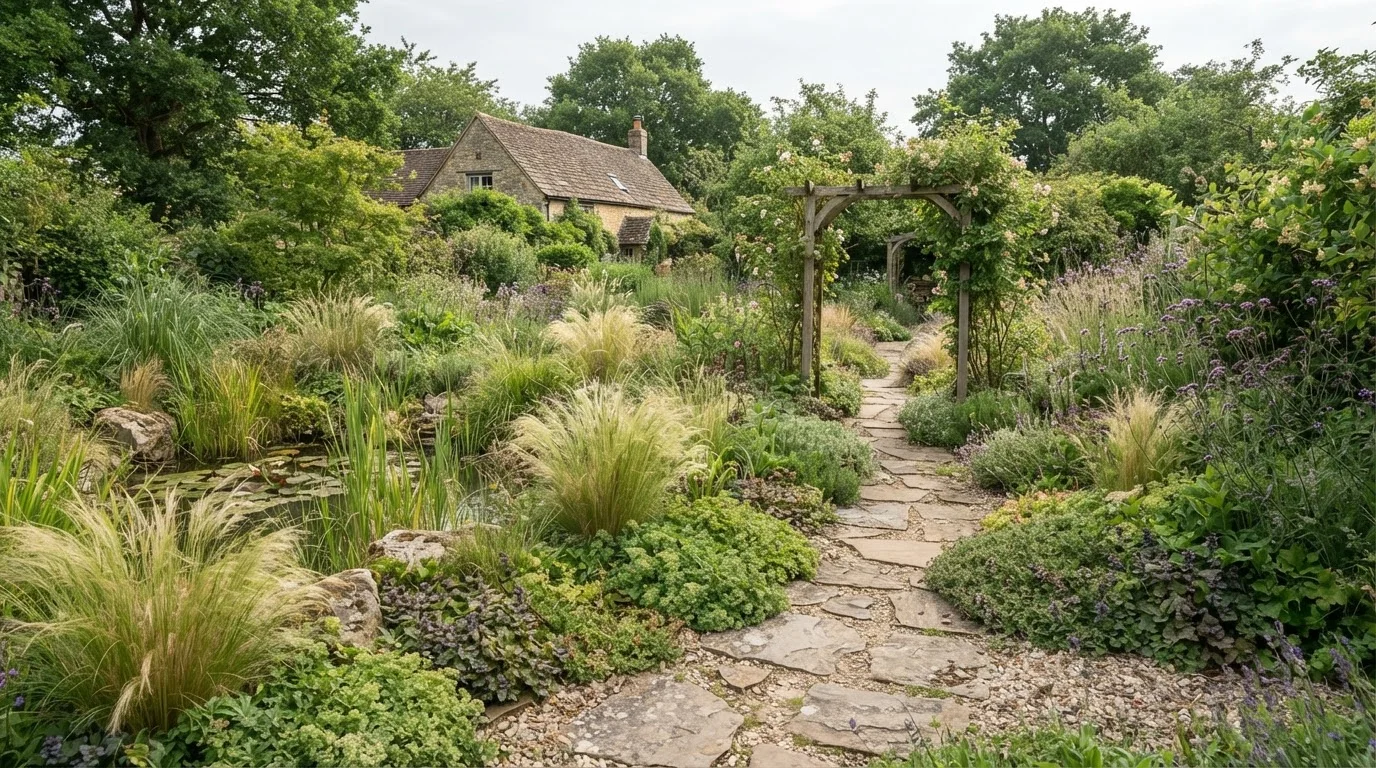
Key Takeaways
- Choosing plants suited to your local climate dramatically reduces watering and care demands.
- Mulch is one of the most effective tools for suppressing weeds and retaining soil moisture.
- Replacing high-maintenance lawn sections with ground covers or hardscaping saves significant ongoing effort.
- Grouping plants by water needs simplifies irrigation and prevents over- or under-watering.
- Native plants are naturally adapted to local conditions and generally require far less intervention.
- A well-designed low-maintenance landscape still requires upfront planning and initial investment of time.
Why Low-Maintenance Landscaping Is Worth Planning For
Many homeowners picture a beautiful garden but dread the hours it demands each weekend. The good news is that with deliberate design choices made at the outset, you can dramatically reduce ongoing labor without ending up with a dull or neglected-looking yard. Low-maintenance landscaping isn't about doing nothing - it's about front-loading smart decisions so the landscape largely takes care of itself.
Whether you're starting from scratch or rethinking an existing space, the principles below apply broadly across US climates and yard sizes. If you're completely new to outdoor projects, our first-timer's garden roadmap provides useful groundwork before diving into design decisions.
Start with the right plants for your climate
Plant selection is the single most consequential decision in low-maintenance landscaping. A plant that is well-matched to your region's rainfall, temperature range, and soil type will largely fend for itself once established. One that isn't will demand constant watering, fertilizing, and pest management just to survive.
Research your USDA hardiness zone and, equally important, your local average annual rainfall and summer heat patterns. Then choose plants rated for those conditions. Native plants are especially worth considering here - they evolved alongside local insects, rainfall patterns, and soils. Native plants typically require far less water and maintenance than exotic ornamentals once established.
A plant matched to your climate will largely fend for itself once established.
Use mulch generously and consistently
A 2-3 inch layer of mulch over your planting beds does more work per dollar than almost any other landscaping input. It suppresses weed germination, reduces soil moisture evaporation (meaning less frequent watering), moderates soil temperature, and gradually improves soil structure as organic mulches break down.
Different mulch materials suit different applications. Wood chips, straw, gravel, and bark all behave differently in terms of decomposition rate, drainage, and aesthetics. Refresh mulch layers annually - or as needed - to maintain effectiveness and appearance.
A 2-3 inch mulch layer suppresses weeds, retains moisture, and improves soil over time.
Replace high-maintenance lawn with purposeful alternatives
Traditional turfgrass lawns are among the most labor-intensive landscape elements: they need regular mowing, edging, fertilizing, aerating, and often irrigation. Reducing your lawn footprint - even partially - can significantly cut your maintenance burden.
Practical alternatives include low-growing ground covers such as creeping thyme or clover (which also supports pollinators), decomposed granite or gravel zones around structures, and mulched planting beds. For renters or those with limited budgets, even converting a single high-traffic or hard-to-mow strip can make a meaningful difference. See why lawn patches fail if you're still committed to turf but struggling to maintain it.
Reducing your lawn footprint - even partially - meaningfully cuts weekly maintenance demands.
Design irrigation around plant water needs
Inconsistent or misdirected watering is one of the most common sources of extra garden work - either plants struggle from drought stress or they're overwatered and become vulnerable to disease and root problems. Grouping plants with similar water requirements into the same zones (a practice called hydrozoning) allows you to water efficiently without guessing.
Drip irrigation systems deliver water directly to root zones, reducing evaporation and weed growth in pathways between plants. Drip systems and sprinkler systems each suit different garden layouts - understanding the tradeoffs helps you choose wisely. Also worth reading: common watering myths that undermine even well-designed gardens.
Grouping plants by water need and using drip irrigation dramatically reduces both waste and workload.
Invest in soil health upfront
Healthy, well-structured soil produces plants that grow more vigorously, resist pest pressure better, and require less supplemental fertilizer. Amending your soil once - with compost, aged organic matter, or targeted mineral corrections - pays ongoing dividends. Skipping this step often leads to repeated interventions year after year.
Test your soil before amending it. Many county cooperative extension offices offer affordable soil testing, and the results will tell you specifically what your soil lacks. Soil pH in particular silently undermines gardens where even proper watering and good plants underperform. Fixing pH issues early saves years of frustration.
Amending soil once with the right materials pays dividends for years across your entire landscape.
Choose perennials and self-seeding plants strategically
Annual plants - those that complete their life cycle in one growing season - must be replanted every year, which adds both cost and labor. Perennials return each season from the same root system, and many self-seeding plants will repopulate gaps in your beds with no effort on your part.
Building the backbone of your landscape around hardy perennials suited to your zone means that most of your beds largely fill themselves in each spring. Ornamental grasses, coneflowers (Echinacea), black-eyed Susans, and many sedges are examples of low-demand perennials that perform reliably across a wide range of US climates. Pair them with companion planting strategies to further reduce pest pressure without added effort.
A perennial backbone means most of your beds return and fill in each spring with minimal replanting.
Building a Landscape That Works With You, Not Against You
The approaches above share a common thread: they align your garden's structure with natural processes rather than fighting them. Healthy soil, appropriate plants, efficient water delivery, and strategic ground coverage all compound over time - meaning your second and third seasons require noticeably less work than your first.
Start Small, Then Expand
If redesigning your entire yard at once feels overwhelming, pick one high-maintenance zone - a strip that's hard to mow, a bed that dries out constantly - and apply these principles there first. Small wins build confidence and reveal what works in your specific conditions before you scale up.
One often-overlooked step is the seasonal close-down. Even a low-maintenance garden benefits from a structured autumn routine to protect perennials and soil health heading into winter. Our autumn garden shutdown guide covers exactly what to prioritize before the first frost.
Low-maintenance landscaping is ultimately a long-term investment in your time. The planning you do now pays dividends every season you spend enjoying your yard instead of maintaining it.