

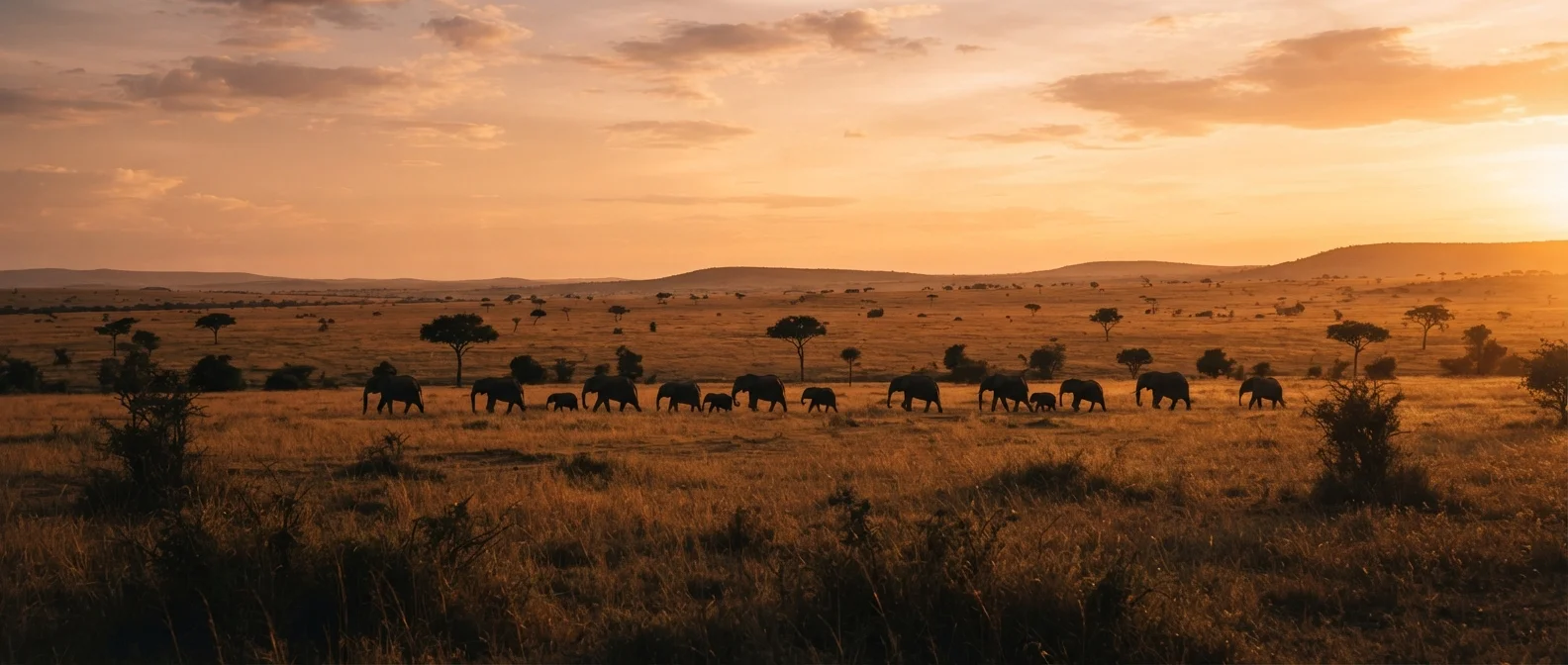
Key Takeaways
- Kenya and Tanzania are renowned for the Great Migration, one of the largest wildlife movements on Earth.
- Botswana prioritizes low-volume, high-impact tourism, making it one of Africa's least-crowded safari destinations.
- South Africa offers the widest range of access options, including self-drive safaris and malaria-free reserves.
- Each destination has a distinct dry and wet season that significantly affects wildlife visibility and pricing.
- Choosing a destination depends on your budget, tolerance for crowds, preferred wildlife experiences, and travel logistics.
Our Verdict
No single African safari destination outperforms the others across every category. Kenya and Tanzania reward those chasing the Great Migration spectacle; Botswana suits travelers who want exclusivity and pristine wilderness; South Africa fits those needing easier logistics, more budget flexibility, or a malaria-free option. Matching your priorities to the destination's strengths is the smartest planning move you can make.
| Best for | Recommended |
|---|---|
| Witnessing the Great Migration | Kenya (Maasai Mara) or Tanzania (Serengeti) |
| Exclusive, crowd-free wilderness experiences | Botswana |
| Self-drive safaris and flexible budgets | South Africa |
| Families or first-time safari-goers | South Africa (malaria-free reserves) |
Why the Destination Choice Matters
Africa spans 54 countries and dozens of distinct ecosystems, but a handful of destinations dominate the safari conversation for good reasons: established park infrastructure, reliable wildlife density, and international flight access. The four most commonly compared options - Kenya, Tanzania, Botswana, and South Africa - each deliver a genuinely different experience. Understanding those differences before you book can save you considerable time, money, and disappointment.
The variables that matter most are wildlife spectacles, ecosystem type, crowd levels, accommodation range, health considerations (particularly malaria risk), and seasonal timing. Let's break each destination down across those dimensions.
| Kenya | Tanzania | Botswana | South Africa | |
|---|---|---|---|---|
| Signature experience | Great Migration river crossings | Serengeti plains & Ngorongoro Crater | Okavango Delta & Chobe elephants | Kruger self-drive & malaria-free reserves |
| Crowd levels | Moderate to high in peak season | Moderate (vast park network) | Very low (by design) | Variable; self-drive areas busier |
| Budget range | Mid to high | Mid to high | High to very high | Budget-friendly to luxury |
| Malaria risk | Present in most safari zones | Present in most safari zones | Present in most areas | Malaria-free reserves available |
| Best season | Jul-Oct (migration crossings) | Jan-Mar (calving), Jun-Sep (dry) | May-Oct (dry season) | May-Sep (dry, cooler months) |
| Self-drive option | Limited | Limited | Not practical | Yes, Kruger and others |
| International access | Nairobi hub; well-connected | Kilimanjaro & Dar es Salaam | Fly-in from Johannesburg mainly | Johannesburg; excellent connections |
Kenya and Tanzania: The Migration Circuit
Kenya's Maasai Mara and Tanzania's Serengeti are essentially two halves of the same vast ecosystem, separated by a political border. The Great Migration - roughly 1.5 million wildebeest and hundreds of thousands of zebra cycling through the plains in search of fresh grass - is one of the most dramatic wildlife events on the planet. The precise timing shifts year to year, but the river crossings in Kenya's Mara typically peak between July and October, while Tanzania's Serengeti hosts calving season from January through March.
Tanzania also holds Ngorongoro Crater, a collapsed caldera that functions as a natural enclosure for lions, black rhinos, elephants, and flamingos in a single 100-square-mile bowl. Kenya counters with easier access from Nairobi for short itineraries and a well-developed camp network in the Mara.
Time Your Trip Around Your Priority
If seeing the river crossings is non-negotiable, plan your Kenya visit between July and October and book camps well in advance - the Mara's best locations fill up many months ahead. If you're more interested in the calving spectacle or a quieter Serengeti experience, Tanzania's green season (November through April) offers lush landscapes and fewer visitors, though some roads can be challenging. Flexibility in your travel window often unlocks better availability and value.
Both countries carry a risk of malaria in most safari zones; travelers should consult a healthcare provider well in advance of departure for current prophylaxis recommendations.
Botswana: Wilderness at a Premium
Botswana has deliberately positioned itself around low-volume, high-cost tourism. The Okavango Delta - a vast inland river system that floods seasonally and attracts extraordinary concentrations of wildlife - and the Chobe National Park are its headline draws. Chobe is widely regarded as having one of Africa's highest elephant densities. The Kalahari's Central Kalahari Game Reserve adds a dramatically different, semi-arid landscape.
The trade-off is cost: Botswana is among Africa's most expensive safari destinations, with many concessions operating on exclusive, fly-in-only access. For travelers who prioritize solitude, conservation quality, and an unfiltered wilderness feel, that premium often feels justified. For those on tighter budgets, it may simply be out of reach.
South Africa: Accessibility and Range
South Africa's Kruger National Park is one of the continent's largest and most storied reserves, home to the Big Five (lion, leopard, elephant, rhino, and buffalo). Unlike many African parks, Kruger permits self-drive access, making it a genuinely budget-flexible option. Private game reserves bordering Kruger offer more exclusive, guided experiences at higher price points.
South Africa's standout logistical advantage is its malaria-free reserves, particularly those in the Western Cape and Eastern Cape. Reserves such as Addo Elephant National Park and several private lodges in the Eastern Cape offer wildlife-rich experiences without the malaria risk - a significant factor for families traveling with children or those who cannot take standard prophylaxis medications.
Cape Town's international airport, well-developed road networks, and diverse accommodation options make South Africa the easiest African safari destination to combine with a broader itinerary.
Verify Entry and Health Requirements Before Booking
Visa requirements, vaccination rules (including yellow fever certificates for some entry points), and travel advisories can change. Always check the U.S. Department of State's travel advisories and the CDC's destination-specific health guidance well before your departure date. Conditions on the ground - including road access, park fees, and concession availability - can also shift between seasons, so confirm details with official sources and your accommodation providers.