

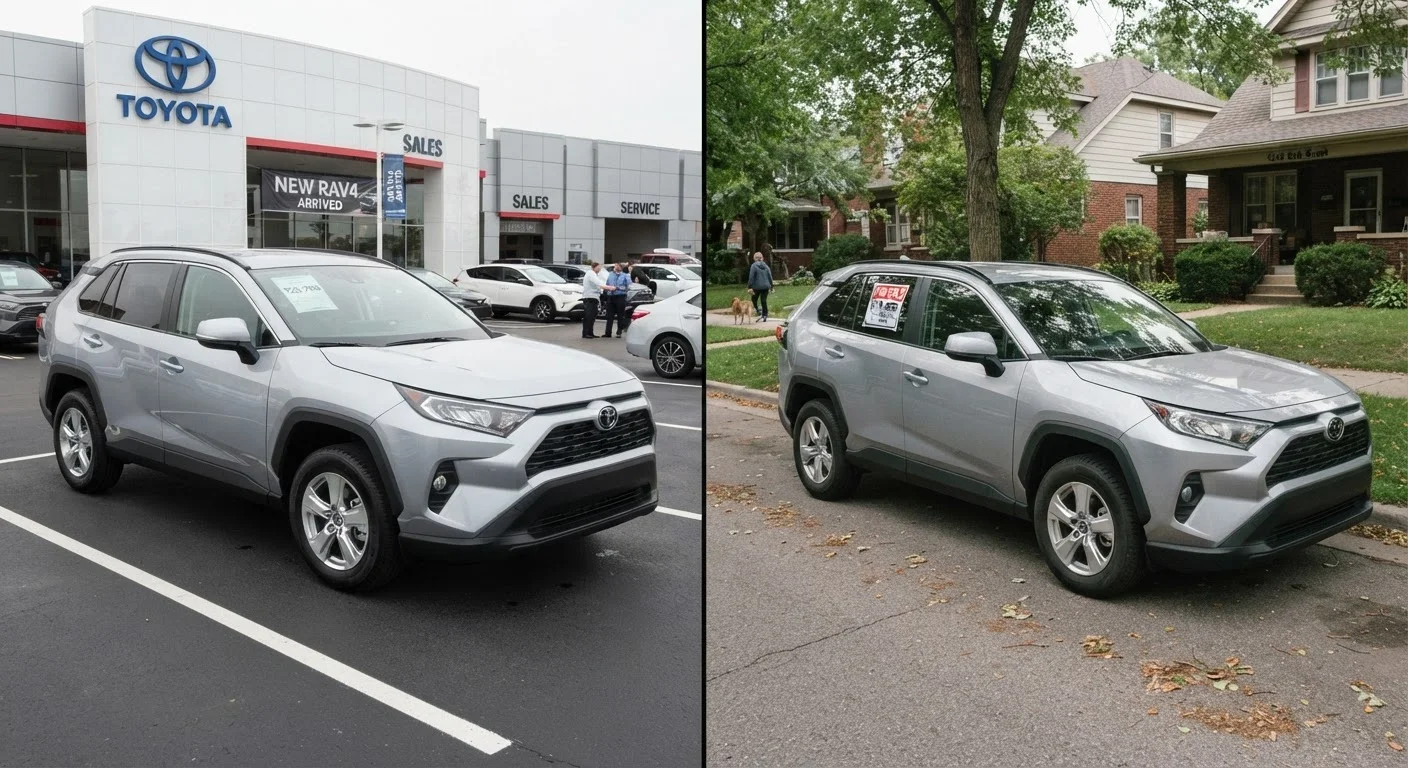
Key Takeaways
- Dealerships offer stronger consumer protections, including lemon laws and implied warranties on used vehicles in many states.
- Private sales typically offer lower prices but come with an 'as-is' transfer and no recourse if problems emerge post-sale.
- Financing is only available through a dealer purchase - private sales require pre-arranged funding.
- Negotiation dynamics differ significantly: dealers have structured pricing while private sellers often have more flexibility.
- A pre-purchase inspection by a qualified mechanic is advisable for any used car, regardless of where you buy it.
Our Verdict
Neither channel is universally better - the right choice depends on your risk tolerance, financing needs, and how much time you're willing to invest. Dealerships provide structure, protections, and convenience at a price premium. Private sales can offer meaningful savings but require more due diligence and upfront preparation from the buyer.
| Best for | Recommended |
|---|---|
| Buyers who want consumer protections and financing options | Dealership |
| Buyers with cash in hand who are comfortable doing their own research | Private Sale |
| First-time buyers or those unfamiliar with vehicle inspection | Dealership |
| Experienced buyers targeting a specific used model at a lower price | Private Sale |
How the Two Channels Actually Work
When you buy from a licensed dealership, you're entering a regulated transaction. Dealers must comply with federal and state consumer protection laws, disclose known defects in many jurisdictions, and process the title transfer on your behalf. They also handle the DMV paperwork, which simplifies the administrative side considerably.
A private sale is a direct transaction between two individuals. The seller hands over the title, you hand over funds, and the state's motor vehicle agency handles the rest - usually requiring both parties to complete transfer documentation independently. There's no middleman and, in most states, no implied warranty. The vehicle is sold as-is unless the seller explicitly puts something in writing.
See the full car buying process walkthrough for a step-by-step overview of what each stage involves, regardless of which channel you choose.
Consumer Protections: Where They Apply and Where They Don't
Dealership purchases in the US carry meaningful protections that private sales do not. The FTC's Used Car Rule, for example, requires dealers to post a Buyers Guide on every used vehicle, disclosing whether it comes with a warranty or is sold as-is. Many states add further requirements - some mandate a short implied warranty period even on used cars sold by dealers.
New cars purchased from franchised dealers may also fall under your state's lemon law if persistent defects emerge. Private sales are almost universally excluded from lemon law coverage.
Watch for Title and Lien Issues in Private Sales
Before completing any private purchase, verify the vehicle's title is clean and free of liens. A seller may owe money on a vehicle they're trying to sell - meaning their lender technically holds an interest in it. Run the VIN through your state's DMV or a reputable vehicle history service before you hand over funds. Buying a vehicle with an unresolved lien can leave you without clear ownership even after payment.
One area where dealer protections do not automatically help: add-on products like extended warranties, paint protection, or GAP insurance sold in the finance office. These are optional and are typically priced at a significant markup. Review any add-on carefully before agreeing.
Price, Negotiation, and What You're Actually Paying For
Private sellers typically list closer to market value without a profit margin layered in. Because they're motivated individuals - not a business with overhead - there's often more room to negotiate, particularly if the vehicle has been listed for a while. However, the lower sticker price doesn't always tell the whole story: a car with deferred maintenance, undisclosed issues, or a muddled title can end up costing more in the long run.
Dealerships price vehicles to cover overhead, reconditioning, and a margin for profit. That said, the total transaction is more transparent in one respect: everything is documented. You know what certification, if any, was applied; you can ask for a vehicle history report; and you have a legal entity to pursue if something was misrepresented.
| Dealership | Private Sale | |
|---|---|---|
| Consumer protections | FTC rules, state warranty laws may apply | Sold as-is in most states |
| Lemon law eligibility | May apply for new cars | Generally excluded |
| Typical price | Higher - includes overhead and margin | Lower - no business overhead |
| Financing available | Yes, on-site options available | No - must arrange independently |
| Title/paperwork handling | Dealer manages transfer | Buyer and seller handle directly |
| Vehicle history transparency | Buyersguide required, history often provided | Varies - buyer must request or obtain independently |
| Negotiation flexibility | Structured, can be limited | Often more flexible, especially on stale listings |
If you're trading in a vehicle as part of the deal, the channel matters too - dealers use trade-ins as a negotiating lever. Read more in our piece on why trade-in valuations often come in lower than expected.
Financing, Title, and Logistics
Financing is only available when buying through a dealership. If you're purchasing privately, you need to arrange funding in advance - either through your own bank, a credit union, or another lender. Some lenders won't finance older vehicles or those above a certain mileage threshold, so confirm your options before you make an offer. For a deeper look at how dealer-arranged financing compares to going directly through a bank, see dealer financing vs. your own bank.
Title transfer in a private sale requires more active participation from the buyer. You'll need to verify the seller is the legal owner, check for any liens on the vehicle, and complete your state's transfer paperwork promptly. Delays can create registration complications. Before any purchase is finalized, run through a pre-purchase checklist to make sure the paperwork, history, and vehicle condition all check out.
Always Get an Independent Inspection
For any used car - whether from a dealer or a private seller - it's worth paying for a pre-purchase inspection from a qualified, independent mechanic. This typically costs between $100 and $200 and can surface issues that aren't visible during a test drive. A dealer's certification does not replace an independent assessment, and a clean visual condition in a private sale is not a guarantee of mechanical soundness.