

Key Takeaways
- A pre-purchase inspection (PPI) by an independent mechanic can reveal costly hidden problems before you commit.
- Always use a shop that has no connection to the seller - conflicts of interest undermine the inspection's value.
- A thorough PPI typically covers the drivetrain, suspension, brakes, body, and electronics.
- The cost of an inspection is modest compared to the repairs it may help you avoid.
- Use the inspection report as a negotiating tool or a reason to walk away.
Why a Third-Party Inspection Is Worth the Effort
Buying a used car involves real financial risk. Even a vehicle that looks clean on the outside can carry expensive problems underneath - worn suspension components, evidence of flood damage, or a transmission that's been neglected. A pre-purchase inspection (PPI) is a structured mechanical evaluation performed by a qualified mechanic who has no stake in the sale.
Unlike a quick look-over in a parking lot, a proper PPI puts the vehicle on a lift, checks fluids, runs diagnostics, and documents findings in a written report. For buyers who aren't mechanically inclined, it's one of the most practical safeguards available. See also Reading a Used Car Before You Buy It for a walkthrough of what you can evaluate yourself before booking an inspection.
Pre-Purchase Inspections on Private Sales vs. Dealerships
Most private sellers will agree to an independent inspection if asked - refusal is itself a red flag worth taking seriously. At dealerships, the process is generally the same: you arrange the inspection, and the vehicle is driven or transported to an independent shop. Some dealerships may also offer their own inspection services, but these are not a substitute for a truly independent evaluation.
Best Practices for Getting It Done Right
The inspection itself is only as useful as the process surrounding it. These practices separate a genuinely useful PPI from a cursory check that misses what matters.
Choose an independent shop with no connection to the seller.
If the mechanic has a financial relationship with the dealer or private seller, their findings may be influenced - consciously or not. Independence is the foundation of a trustworthy inspection.
Request a lift inspection, not just a visual walk-around.
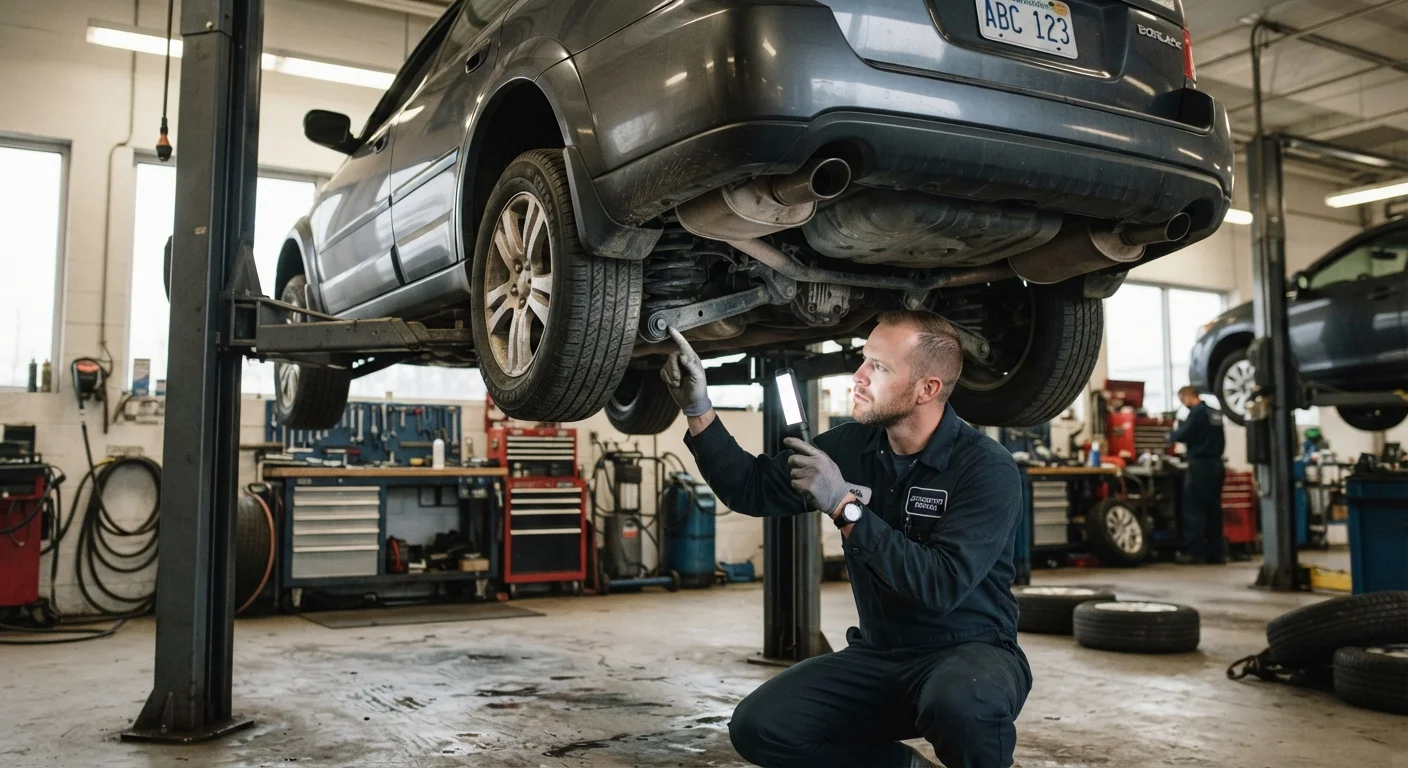
Much of what can go wrong on a used vehicle - rust, leaking seals, damaged suspension components, exhaust issues - is only visible from underneath. A ground-level look misses these entirely.
Ask for a written report with itemized findings.
A verbal summary is easy to misremember and hard to act on. A written, itemized report lets you compare findings against the asking price and share the document with the seller during negotiation.
Pull a vehicle history report before the inspection, not after.
History reports flag prior accidents, title issues, odometer discrepancies, and the number of previous owners. Sharing this with the mechanic lets them focus attention on areas consistent with the vehicle's known history.
Be present during the inspection if the shop allows it.
Watching the mechanic work gives you the opportunity to ask questions in real time and see firsthand what they're pointing out. It also reinforces that you're engaged and attentive.
Budget for the inspection as a non-negotiable cost of buying used.
Skipping a PPI to save a modest inspection fee is a false economy. A single overlooked repair - a failing transmission, compromised brakes, or hidden corrosion - can cost many times more than the inspection itself.
Quick Actions You Can Take Before the Mechanic's Report
While scheduling your PPI, there are a few concrete steps that sharpen the inspection's value and protect you in the meantime.
Using the Inspection Report After You Have It
A written inspection report is not just a pass/fail verdict - it's a negotiating document. If the mechanic identifies items that need immediate attention, you can request a price reduction to offset the repair cost, ask the seller to address specific issues before purchase, or simply decide the vehicle isn't the right one.
Not every finding is a deal-breaker. Minor wear items like wiper blades or an aging battery are expected on used vehicles. The report helps you distinguish between normal wear and problems that signal poor maintenance or hidden damage. Before you finalize any deal, use a structured approach like the one in Before You Sign: A Pre-Purchase Checklist for Any Car Deal to make sure paperwork, financing terms, and vehicle history are also in order.
Don't Negotiate Before the Report Is In
It's tempting to start negotiating price while you wait for inspection results, but holding off gives you more leverage. Once you have the written report, specific repair estimates give you concrete grounds for a price discussion - something vague impressions never can.