

Key Takeaways
- Sleep is the body's primary recovery window, not a passive rest state.
- Human growth hormone, essential for muscle repair, is released mainly during deep sleep.
- Consistently poor sleep impairs strength, endurance, coordination, and injury resistance.
- Sleep quality - not just duration - determines how effectively recovery processes complete.
- Practical sleep habits can meaningfully support physical health without medication or supplements.
Sleep and Physical Recovery
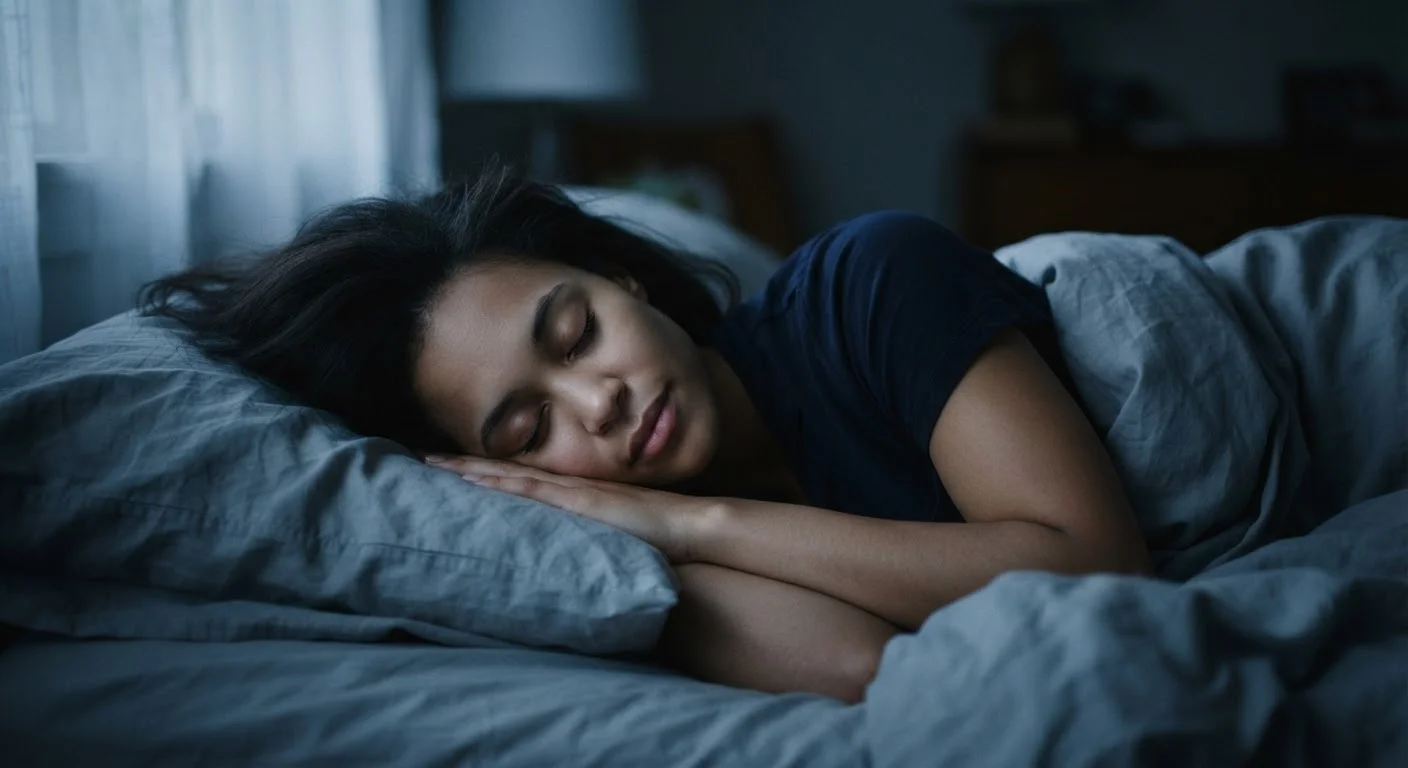
Physical recovery during sleep refers to the series of biological processes the body performs while you're asleep - including muscle repair, hormone release, immune regulation, and cellular maintenance. These processes are not incidental to sleep; they depend on it. Without adequate sleep, recovery from physical exertion is measurably impaired.
Much of the critical repair activity - including peak secretion of human growth hormone (HGH) - occurs predominantly during slow-wave sleep (SWS), also called deep or N3 sleep, making sleep architecture as important as total duration.
Why Sleep Is a Biological Necessity, Not Optional Rest
Sleep is often treated as the first thing to sacrifice when schedules get busy. But from a physiological standpoint, sleep is not downtime - it's the body's primary maintenance window. During sleep, the brain clears metabolic waste products via the glymphatic system, the immune system consolidates its defenses, and damaged tissues are repaired at the cellular level.
The body's hormonal environment during sleep is fundamentally different from wakefulness. Cortisol - the stress hormone - drops to its lowest levels, while anabolic (tissue-building) hormones rise. This hormonal shift creates the conditions for repair that simply cannot be replicated while you're awake.
For anyone engaged in physical training or regular exercise, this distinction matters enormously. Exercise creates the stimulus for adaptation; sleep is where that adaptation actually happens.
The Biology of Repair: What Happens Stage by Stage
Sleep is not a uniform state. It cycles through distinct stages - light sleep, deep sleep (slow-wave sleep), and REM (rapid eye movement) sleep - each serving different recovery functions.
70%
Of daily HGH secreted during slow-wave sleep
Research consistently finds that the large majority of human growth hormone release occurs during deep, slow-wave sleep stages rather than wakefulness.
1.7×
Higher injury risk with under 8 hours of sleep
A study published in the journal Sleep found adolescent athletes sleeping fewer than 8 hours per night were 1.7 times more likely to be injured than those sleeping 8 or more hours.
7-9 hrs
Recommended nightly sleep for adults
The American Academy of Sleep Medicine and Sleep Research Society jointly recommend 7-9 hours of sleep per night for adults to support health and functioning.
Slow-wave sleep (SWS) is the most physically restorative stage. The pituitary gland releases the majority of daily human growth hormone (HGH) during SWS. HGH drives muscle protein synthesis, repairs connective tissue, and supports bone density. Shortening sleep - or fragmenting it - reduces time spent in SWS and blunts this hormonal response.
REM sleep plays a distinct but complementary role. While it's strongly associated with memory consolidation and emotional regulation, emerging research suggests it also contributes to motor learning - the process by which the nervous system encodes and refines movement patterns acquired during physical practice.
This is why sleep quality matters as much as sleep duration - a fragmented 8-hour night may deliver less restorative SWS than a consolidated 7-hour one.
Sleep Deprivation and Its Physical Costs
The performance costs of insufficient sleep are well-documented. Research consistently links short sleep duration to reduced muscular strength, decreased endurance, slower reaction times, and impaired coordination. These are not trivial margins - studies have found measurable declines in athletic performance after as little as one or two nights of restricted sleep.
“Sleep is the greatest legal performance-enhancing drug that most people are probably neglecting.”
— Matthew Walker, Professor of Neuroscience and Psychology, University of California, Berkeley; author of 'Why We Sleep'
Injury risk also rises with poor sleep. A landmark study published in the journal Sleep found that adolescent athletes sleeping fewer than 8 hours per night were 1.7 times more likely to sustain an injury than those sleeping 8 or more hours. The mechanisms are multiple: fatigue reduces attentional focus, impairs balance, and slows muscle activation - all factors in injury prevention.
Chronic sleep restriction also elevates baseline cortisol, which over time can promote muscle catabolism (breakdown) and suppress immune function. This creates a cycle where under-recovered athletes are both performing below capacity and more susceptible to illness and overuse injury. For a closer look at related recovery dynamics, see our article on signs you may be under-recovering.
Practical Steps to Protect Sleep for Better Recovery
Understanding the science is useful; acting on it matters more. Several evidence-supported habits can meaningfully improve sleep quality without requiring medication or major lifestyle overhauls.
Anchor Your Sleep Schedule First
Before experimenting with supplements or elaborate sleep protocols, focus on one foundational habit: a consistent wake time, seven days a week. This single anchor does more to stabilize your circadian rhythm - and by extension your sleep architecture - than most other interventions. Build from consistency before adding complexity.
- Consistency over duration: Going to bed and waking at the same time every day - including weekends - anchors your circadian rhythm and improves sleep architecture over time.
- Temperature regulation: Core body temperature naturally drops at sleep onset. A cool sleeping environment (roughly 65-68°F / 18-20°C for most adults) can support this process and improve deep sleep.
- Limit stimulants strategically: Caffeine has a half-life of approximately 5-6 hours, meaning an afternoon coffee can still be active in your system at bedtime. Timing caffeine intake earlier in the day is a simple, effective adjustment.
- Wind-down routines: Transitioning out of alertness before bed - through low-stimulation activities rather than screens or high-stress content - supports the hormonal shift toward sleep onset. For a nuanced look at screens specifically, see what research actually says about screen time and sleep.
Sleep does not operate in isolation - it interacts with nutrition, hydration, and movement patterns across the day. Considering how these factors reinforce one another is part of building a durable physical health routine.
This article is for general informational and educational purposes only and does not constitute medical advice. If you have concerns about sleep, physical recovery, or related health issues, consult a qualified healthcare professional.