

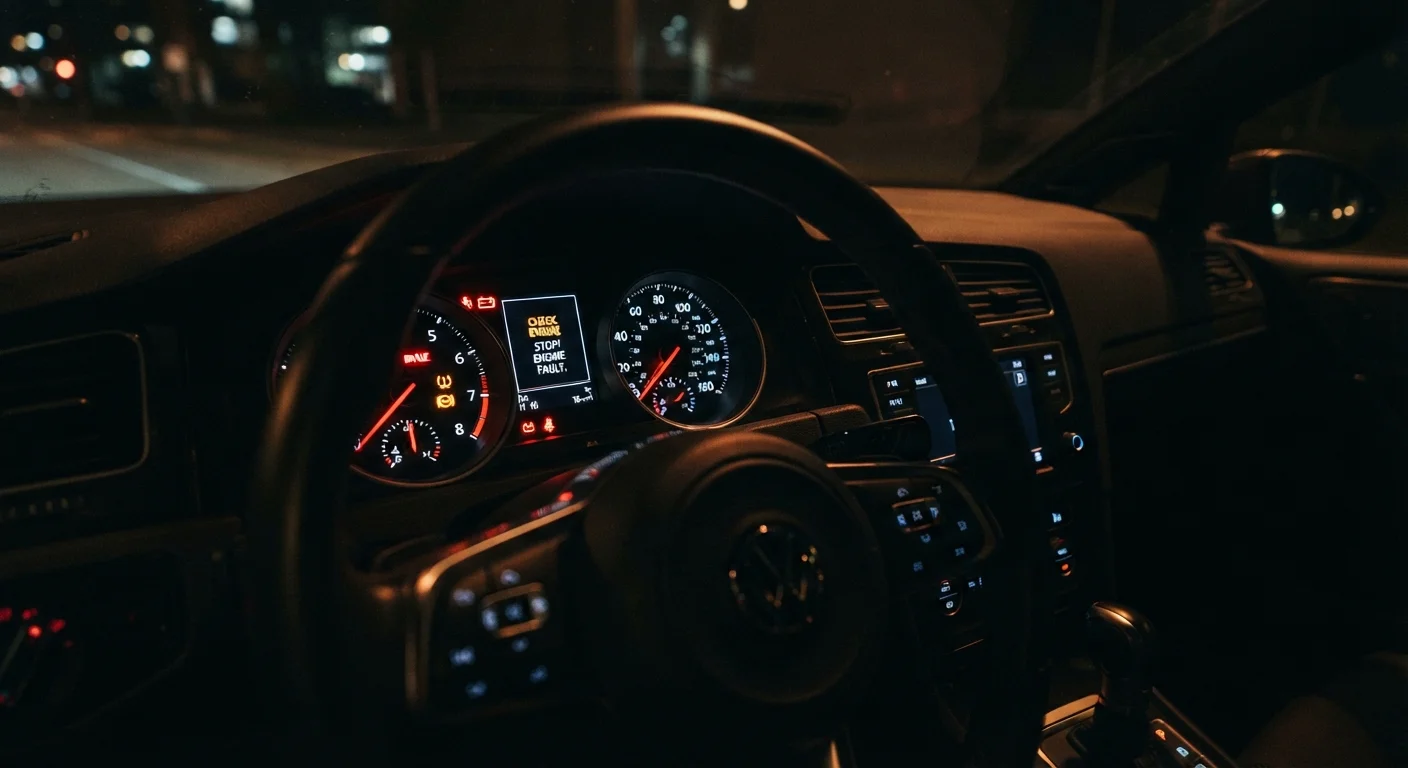
Why Warning Lights Exist - and Why They're Often Ignored
Every modern vehicle has an onboard diagnostics system that monitors dozens of sensors at once. When something falls outside normal operating parameters, the system triggers a dashboard warning light to alert the driver. The problem is that most drivers have never been taught what these symbols actually mean - so many people ignore them, hoping the light will go away on its own.
Sometimes it does. More often, that ignored light is an early signal that a small, inexpensive fix is about to become a costly repair. Understanding the basics puts you in a stronger position to respond appropriately - neither panicking over a routine advisory nor dismissing a genuine emergency.
Lights are generally grouped by urgency: red lights typically signal an immediate threat requiring you to stop driving soon; amber/yellow lights indicate something that needs attention but usually isn't an emergency; green or blue lights are informational confirmations (high beams on, turn signal active). This color-coding isn't universal across all manufacturers, so your owner's manual is always the authoritative source for your specific vehicle.
Red Lights: Stop and Act Now
Red warning lights are the ones that demand your attention on the spot. Driving on with a red light active can cause serious mechanical damage or create a safety hazard.
- Engine Temperature (thermometer icon): Your engine is overheating. Pull over safely, turn off the engine, and do not open the radiator cap. Continued driving can warp or crack engine components. See our guide to engine coolant for context on how the cooling system works.
- Oil Pressure (oil can icon): Engine oil pressure has dropped critically low. Stop driving immediately. Running an engine without adequate oil pressure can destroy it within minutes.
- Battery / Charging System: The electrical system isn't charging correctly. This often points to a failing alternator or battery. Your car may continue running briefly on battery reserve, but it will shut down without warning. Battery health issues often present subtle signs before this light appears.
- Brake System Warning: If this illuminates while driving (not just at startup), it may indicate low brake fluid, a pressure imbalance, or a serious brake failure. Do not ignore it - brake system problems can escalate quickly.
Not All Red Lights Are Equal
Some vehicles display a red oil or temperature light briefly at startup as a self-check - this is normal and should extinguish within seconds. It's the light that stays on or appears while driving that requires action. If you're ever unsure whether a light is a self-check or a genuine warning, consult your owner's manual for your specific model's startup sequence.
Amber Lights: Schedule Service Soon
Amber warning lights indicate a problem that doesn't require you to pull over immediately, but does need professional attention within days to a few weeks - not months.
- Check Engine (engine outline icon): One of the most misunderstood lights on the road. It can mean anything from a loose gas cap to a misfiring cylinder. A flashing check engine light is more urgent than a steady one - the former often signals active engine misfiring that can damage the catalytic converter. Have the fault code read at a shop.
- Tire Pressure Monitoring System (TPMS): One or more tires is significantly under- or over-inflated. Check tire pressure before driving further. Properly inflated tires affect handling, fuel economy, and tire longevity.
- Transmission Temperature: The transmission fluid is running hotter than normal. Ease off if towing or driving in heavy traffic, and have the fluid and transmission inspected.
- Low Fuel: Straightforward but worth noting - repeatedly running the tank very low can stress the fuel pump, which uses fuel as a coolant in many designs.
Getting a mechanic's service report after a check engine light diagnosis helps you understand exactly what the code means and what's truly urgent.
OBD-II
On-Board Diagnostics, second generation - a standardized system built into vehicles that monitors engine, emissions, and other systems. A scanner plugged into the OBD-II port can read fault codes that triggered warning lights.
Fault Code (DTC)
A Diagnostic Trouble Code stored by the vehicle's computer when a sensor reading falls outside acceptable range. Codes correspond to specific systems or components, helping technicians narrow down the problem.
TPMS
Tire Pressure Monitoring System - sensors inside each wheel that alert the driver when tire pressure drops significantly below the recommended level.
Catalytic Converter
An emissions control device in the exhaust system that converts harmful combustion byproducts into less harmful gases. Engine misfires can damage it by sending unburned fuel through the exhaust.
Alternator
A generator driven by the engine that keeps the battery charged and powers electrical systems while the vehicle is running. A failing alternator often triggers the battery or charging system warning light.
What to Do When a Light Comes On
The single most useful tool for any dashboard light is your owner's manual - it lists every symbol specific to your make and model. If you don't have a physical copy, most manufacturers offer digital versions on their websites.
For any light you don't recognize: pull over when it's safe, consult your manual, and use common sense about whether continuing to drive is appropriate. Many auto parts retailers will read fault codes from your OBD-II port for free, which can give you a plain-language explanation for check engine and related warnings.
Routine maintenance helps prevent many warning lights from appearing in the first place. Seasonal maintenance checks catch fluid levels, tire pressure, and battery condition before they deteriorate to the warning-light stage. And if you're evaluating a used vehicle, a dashboard full of cleared codes that reappear quickly is a red flag worth investigating before purchase - understanding the buying process includes knowing how to inspect a car's history properly.
This article provides general vehicle information for educational purposes only. Always consult a qualified mechanic for diagnosis and repair of your specific vehicle.