

Key Takeaways
- Cold frames, row covers, and cloches can add four to six weeks to each end of your growing season.
- Timing your plantings around frost dates is the foundation of any season-extension strategy.
- Soil temperature matters more than air temperature when deciding whether to plant.
- Most season-extension tools are reusable and can be built or sourced without significant expense.
- Consistent monitoring prevents overheating in spring and unexpected frost damage in autumn.
Why Extending the Season Is Worth the Effort
In most temperate U.S. climates, the frost-free window runs roughly five to seven months. That leaves a lot of calendar year where the garden sits idle - but much of that dormant time is recoverable. Soil warms before air does in spring, and in autumn, many crops can tolerate light frost with minimal protection. The gap between what nature gives you and what you could actually grow is often measured in simple tools and a few deliberate decisions.
Season extension doesn't require a greenhouse or major investment. For gardeners working with raised beds or containers, the payoff can be especially strong - see our guide on raised beds vs. in-ground planting for context on which setup gives you the most flexibility. The key is matching the right tool to the right condition rather than applying every technique at once.
4-6 weeks
Extra growing time achievable with basic season extension
Gardening educators and extension specialists commonly cite this range when cold frames and row covers are used consistently at both ends of the season.
50°F
Minimum soil temperature for reliable vegetable germination
Most vegetable crops require soil temperatures of at least 50°F to germinate; warm-season crops like tomatoes and peppers typically need 60°F or warmer.
Core Tools and How to Use Them
Understanding your options is the first step. Each tool works differently and suits a different phase of the season.
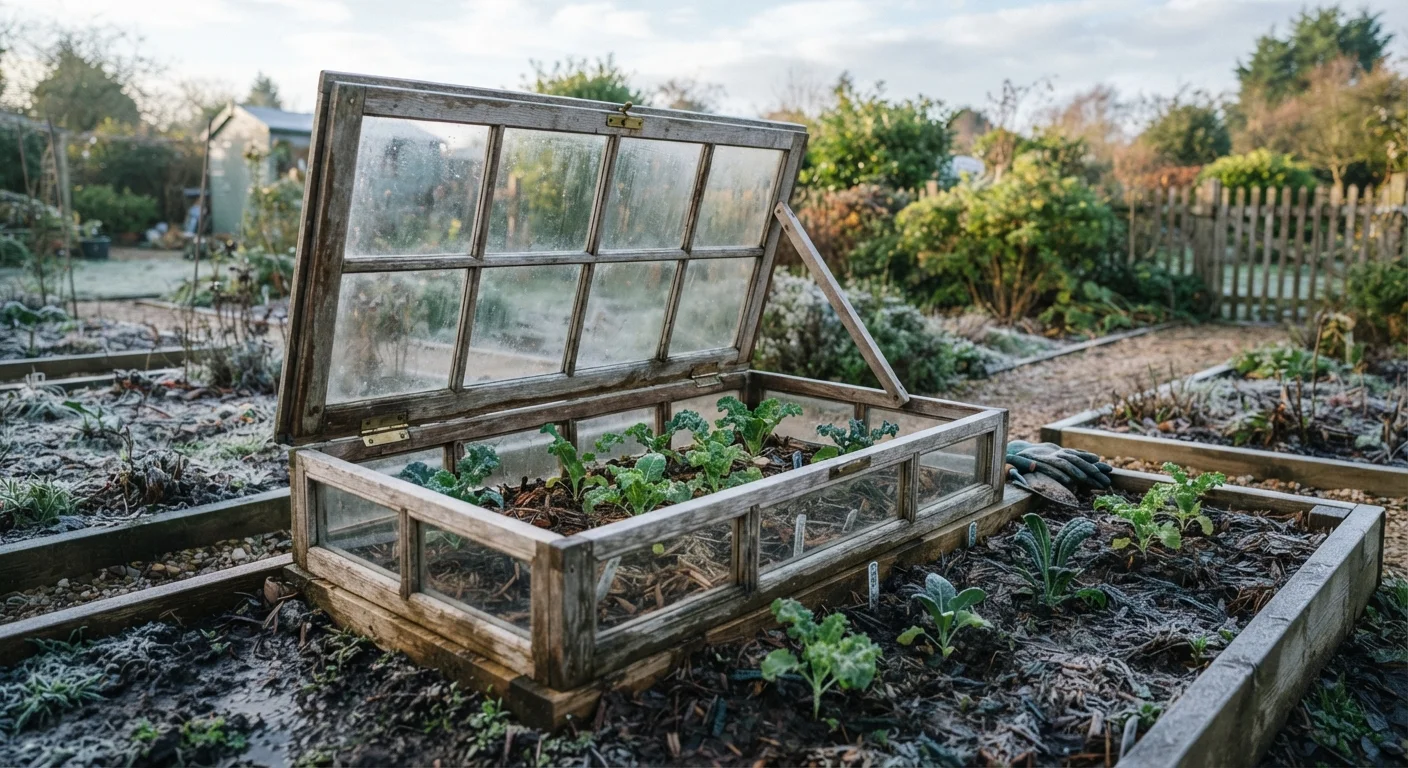
Use cold frames to bridge the gap between frost and full outdoor growing conditions.
Cold frames trap solar heat against the soil, raising temperatures by 5-10°F compared to the open air. They create a sheltered microclimate that's enough to keep cool-season crops productive weeks after outdoor conditions would otherwise shut them down.
Deploy row covers as your first line of frost defense in both spring and autumn.
Lightweight floating row covers (spunbonded polypropylene fabric) let in light and rain while blocking several degrees of frost. They're fast to apply, reusable for multiple seasons, and don't require any permanent structure.
Place cloches or water-filled season starters around individual warm-season transplants in spring.
Tomatoes, peppers, and similar crops need consistently warm soil and air to thrive. Cloches and wall-o-water-style season starters create a warm, humid microclimate around individual plants, allowing transplanting two to three weeks ahead of the normal safe date.
Mulch actively during the season transition, not just after planting.
A 2-3 inch layer of straw or shredded leaves insulates soil, slowing temperature swings in both directions. In autumn, mulching before the first frost can extend soil warmth long enough for a final round of root vegetables to size up.
Ventilate cold frames and cloches on sunny days to prevent overheating.
Season-extension tools work by trapping heat - which becomes a liability on bright days when temperatures climb. Seedlings can be damaged or killed by excessive heat within enclosed spaces more quickly than by frost. Regular monitoring is essential.
Timing Strategies That Make the Difference
Tools only work when your timing is right. The most common mistake is planting too early based on air temperature rather than soil temperature. Most vegetable seeds won't germinate reliably in soil below 50°F - a soil thermometer is an inexpensive tool that removes the guesswork entirely.
Work backward from your average last spring frost date and forward from your average first autumn frost date. Both dates are available through your local Cooperative Extension Service or the USDA Plant Hardiness Zone resources. Once you know those anchors, you can schedule succession plantings to keep harvest continuous rather than bunched up.
Track Microclimates in Your Own Yard
Frost dates are averages - your specific yard may run warmer or cooler depending on slope, proximity to structures, and wind exposure. Spend one spring tracking temperature differences between your sunniest and shadiest beds. That knowledge will make your timing decisions more accurate than any published average.
Pairing timing discipline with thoughtful plant combinations also pays dividends - our overview of companion planting explains how certain plant pairings can make the most of limited growing windows. When the season does wind down, a structured close-out plan protects your investment; see autumn garden shutdown for a full end-of-season checklist.
Quick Actions You Can Take Right Now
You don't need to overhaul your entire garden to start gaining growing time. A few focused actions this week can open up weeks of additional productivity.
If budget is a concern, season extension is one of the more cost-efficient garden upgrades available - and growing more of your own food has well-documented financial benefits. Our smarter budgeting resources can help you think through where to prioritize spending. For gardeners with limited outdoor space, many of these techniques scale well - our container gardening guide covers how to apply them in compact settings.