

Key Takeaways
- Patagonia spans southern Argentina and Chile, covering diverse terrain from glaciers to steppe.
- Weather can shift from sun to snow within hours regardless of season - layering is non-negotiable.
- The region's remoteness means logistics require more lead time than most destinations.
- Peak season (November-February) brings crowds and higher costs; shoulder months offer genuine tradeoffs.
- Physical fitness and prior hiking experience significantly affect how much the region is enjoyable.
Truly world-class wilderness scenery
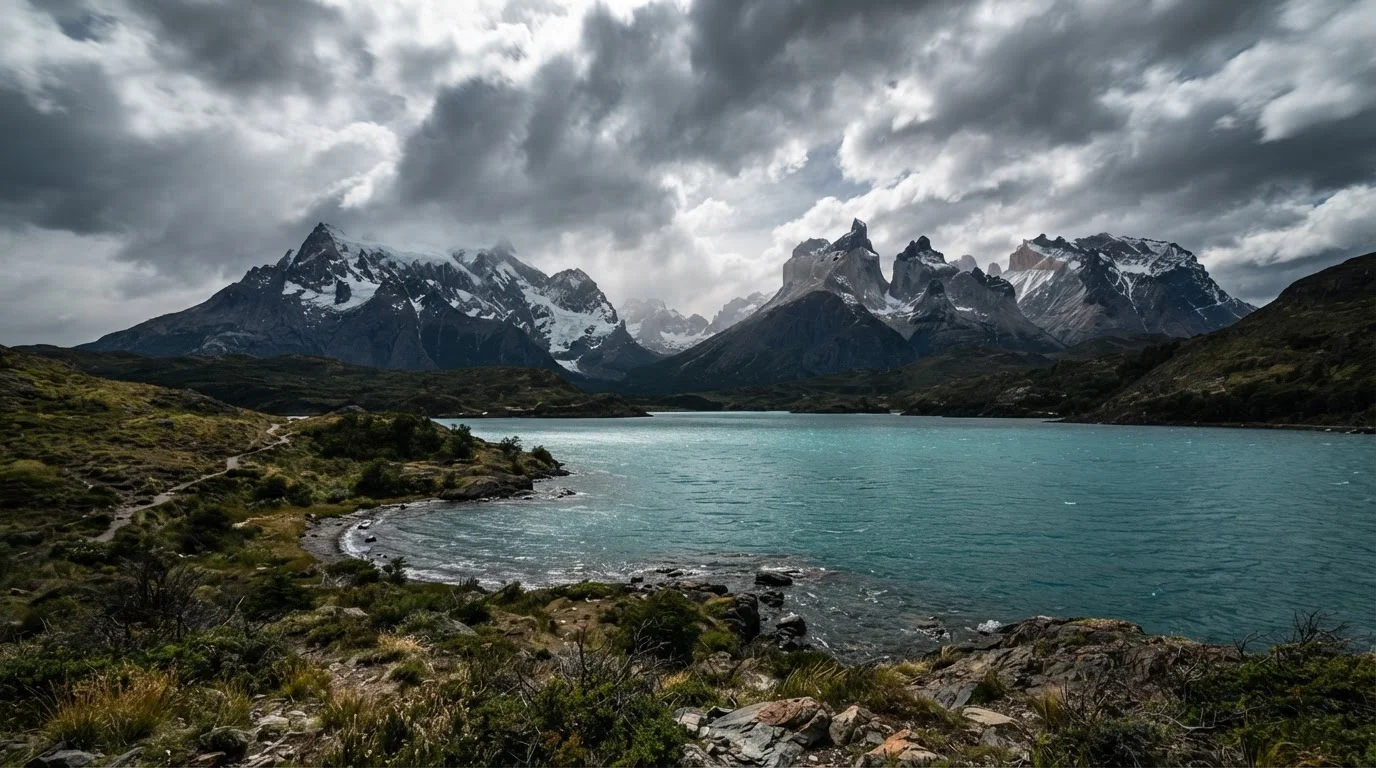
Torres del Paine and Fitz Roy offer landscapes that consistently rank among the most photographed on Earth - for good reason. The scale and variety of terrain is difficult to find elsewhere in the accessible hiking world.
Accessible multi-day trails with infrastructure
The W Trek is serviced by refugios with meals and beds, making it achievable for fit hikers without technical mountaineering skills. This lowers the barrier significantly compared to true backcountry expeditions.
Exceptional wildlife viewing opportunities
Guanacos, Andean condors, pumas (occasionally), and numerous bird species are frequently spotted without specialist guides. The relative lack of human pressure outside peak zones keeps wildlife sightings natural.
Genuine sense of remoteness and scale
Patagonia offers a rare combination of wildness and accessibility. Travellers regularly describe a sense of perspective and stillness that's hard to replicate in more developed destinations.
Highly unpredictable and extreme weather
Sustained high winds, sudden storms, and dramatic temperature shifts can occur in any season. Trails close with little notice, and itineraries built around specific days rarely survive contact with actual Patagonian conditions.
Logistics require significant advance planning
Key accommodation, transport connections, and park permits book out months ahead during the November-February high season. Late planners often find the trip they envisioned is no longer available.
Higher cost than most of South America
Park fees, refugio accommodation, limited-route flights, and the cost of gear add up quickly. Patagonia does not reward the budget-travel approach that works well in other parts of the continent.
Physical demands are frequently underestimated
Even moderate trails involve significant elevation change and wind resistance. Travellers without recent hiking experience often find the reality harder than the trail ratings suggest.
Limited connectivity and medical access
Mobile coverage is sparse across much of the region, and serious medical facilities are hours away from most trailheads. This raises the stakes for any injury or health issue mid-trip.
Our Verdict
Patagonia is a destination that genuinely delivers on its reputation - but only for travellers who respect what it asks in return. The scenery is extraordinary, the wilderness access is rare, and the sense of accomplishment is real. But the weather is unpredictable, the logistics are complex, and the remote setting leaves little margin for poor planning.
Best suited to physically fit, adaptable travellers who prioritise natural landscapes, are comfortable with logistical uncertainty, and have done thorough preparation before departure.
What Patagonia Actually Is
Patagonia is not a country, a park, or a single trail - it's a vast, loosely defined region spanning the southern tip of South America, divided between Argentina and Chile. It encompasses tundra, ice fields, mountain ranges, steppe grasslands, and coastline. The two most visited focal points are Torres del Paine National Park in Chilean Patagonia and Los Glaciares National Park in Argentina, home to the Perito Moreno Glacier and the Fitz Roy massif.
Understanding the geography matters before you plan anything. Distances between landmarks are significant, towns are sparse, and the infrastructure that connects it all - roads, buses, ferries - runs on schedules that don't bend for weather. Before committing, it's worth doing what our guide on reading a destination before you arrive recommends: look past the images and understand the logistics layer beneath them.
The Honest Case For Going
The reasons to visit Patagonia are not overblown. The landscape is singular - glaciers calving into lakes, peaks emerging from cloud, condors overhead, and almost no light pollution at night. It's one of the few places where genuinely wild terrain remains accessible to hikers without extreme technical skills.
Truly world-class wilderness scenery
Torres del Paine and Fitz Roy offer landscapes that consistently rank among the most photographed on Earth - for good reason. The scale and variety of terrain is difficult to find elsewhere in the accessible hiking world.
Accessible multi-day trails with infrastructure
The W Trek is serviced by refugios with meals and beds, making it achievable for fit hikers without technical mountaineering skills. This lowers the barrier significantly compared to true backcountry expeditions.
Exceptional wildlife viewing opportunities
Guanacos, Andean condors, pumas (occasionally), and numerous bird species are frequently spotted without specialist guides. The relative lack of human pressure outside peak zones keeps wildlife sightings natural.
Genuine sense of remoteness and scale
Patagonia offers a rare combination of wildness and accessibility. Travellers regularly describe a sense of perspective and stillness that's hard to replicate in more developed destinations.
The trail networks, particularly the W Trek and O Circuit in Torres del Paine, are well-marked and serviced by refugios (mountain huts) that make multi-day hiking achievable without full backcountry experience. Wildlife encounters - guanacos, Andean foxes, flamingos, black-necked swans - are frequent and unprompted. For travellers drawn to adventure travel over leisure travel, this is one of the most rewarding destinations on the continent.
The Real Tradeoffs and Challenges
The obstacles in Patagonia are genuine, not just inconveniences. Weather is the defining variable. Wind speeds in the region can exceed 100 km/h, trails close without warning, and four seasons in a single day is not a cliché - it's a planning reality.
Highly unpredictable and extreme weather
Sustained high winds, sudden storms, and dramatic temperature shifts can occur in any season. Trails close with little notice, and itineraries built around specific days rarely survive contact with actual Patagonian conditions.
Logistics require significant advance planning
Key accommodation, transport connections, and park permits book out months ahead during the November-February high season. Late planners often find the trip they envisioned is no longer available.
Higher cost than most of South America
Park fees, refugio accommodation, limited-route flights, and the cost of gear add up quickly. Patagonia does not reward the budget-travel approach that works well in other parts of the continent.
Physical demands are frequently underestimated
Even moderate trails involve significant elevation change and wind resistance. Travellers without recent hiking experience often find the reality harder than the trail ratings suggest.
Limited connectivity and medical access
Mobile coverage is sparse across much of the region, and serious medical facilities are hours away from most trailheads. This raises the stakes for any injury or health issue mid-trip.
The remoteness that makes Patagonia special also creates real logistical friction. Flights into gateway cities like Punta Arenas or El Calafate book out months in advance during peak season. Refugio beds on the W Trek sell out by July for the following summer. Budget travellers should also be aware that the combination of transport, accommodation, and park fees adds up faster than most South American destinations. The shoulder season tradeoffs are worth weighing carefully here - March and April offer reduced crowds and striking autumn colour, but some services scale back and weather windows narrow.
Entry and Safety Requirements Change
Park entry requirements, permit systems, and trekking regulations in both Chilean and Argentine Patagonia are updated periodically. Always verify current rules directly with the relevant national park authority before travel. Travel insurance that covers remote evacuation is strongly recommended given the distance from medical infrastructure.
Planning Smarter Before You Commit
The travellers who struggle most in Patagonia are those who underestimate the preparation required. Booking accommodation and transport six months out is not excessive - for peak season, it's standard. Gear matters: waterproof layers, wind-resistant outerwear, and broken-in hiking boots are not optional upgrades.
~242,000
Annual visitors to Torres del Paine
Torres del Paine National Park in Chile has seen visitor numbers grow sharply over the past decade, increasing pressure on trail infrastructure and accommodation availability.
9-12 days
Typical time needed for the O Circuit
The full O Circuit around the Torres del Paine massif generally takes between 9 and 12 days for most hikers, requiring careful advance booking of each night's refugio or campsite.
Whether you plan independently or join an organised trip also shapes the experience substantially. Solo trip planning versus organised tours each come with different demands in this region - guided tours handle logistics and provide local context, while independent travel offers more flexibility but requires more research. If this is your first time travelling alone in a remote region, the considerations in first-time solo travel are directly relevant. All the practical groundwork - permits, contingency days for weather, entry requirements - belongs under the broader trip planning umbrella, and Patagonia rewards those who treat it seriously.