

Key Takeaways
- Solo travel feels different in practice than most people imagine - both harder and more rewarding.
- Your first trip doesn't need to be ambitious; a well-matched destination matters more than an impressive one.
- Practical logistics like single-supplement costs and solo dining are real friction points worth planning around.
- Risk on solo trips is manageable with preparation, but it's worth taking seriously rather than dismissing.
- Loneliness and freedom often arrive at the same time - knowing that in advance changes how you respond.
Start here
What Solo Travel Actually Feels Like
Next
Choosing the Right First Trip
Then
The Practical Things That Catch First-Timers Off Guard
When you're ready
Safety, Risk, and Keeping Perspective
Finally
How to Make the Most of Going Alone
What Solo Travel Actually Feels Like
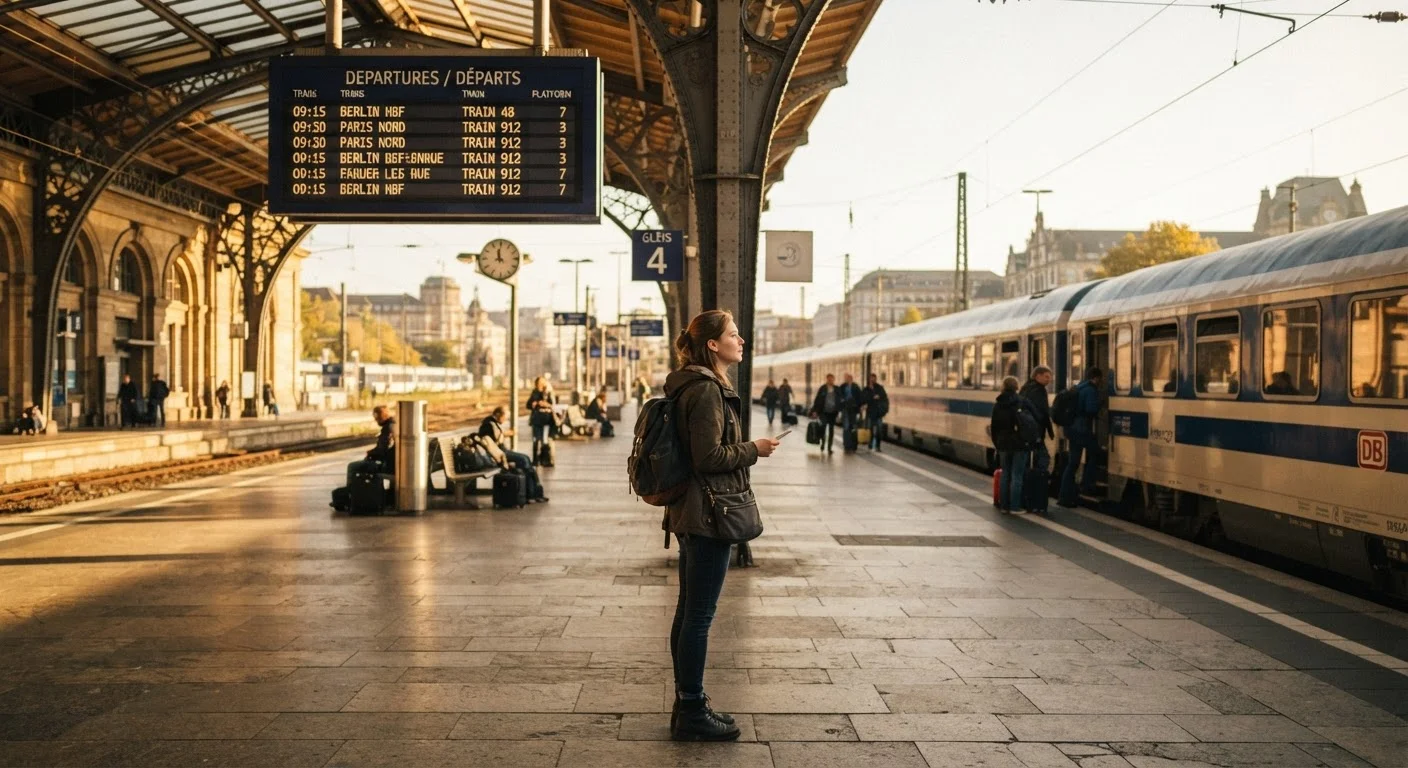
Here's the thing almost no one says out loud: the first 24 hours of a solo trip can feel quietly unsettling. Not dangerous - just strange. You've arrived somewhere new, there's no one to consult about dinner, no one to share the moment when the view turns out to be spectacular, and the silence where a travel companion would be is louder than expected.
That feeling passes. Most experienced solo travelers describe it as a brief adjustment period before something shifts - a growing ease with your own company, a heightened attention to surroundings, a sense of operating entirely on your own terms. But going in knowing that discomfort is normal, and temporary, makes it easier to sit with rather than mistake for a sign the trip is going wrong.
It's worth being honest with yourself before you go. If you're genuinely unsure whether solo travel suits your personality, comparing it directly with group travel can help you assess the fit more clearly. Solo travel isn't better or worse than travelling with others - it's just a different experience that suits some people more than others.
Single supplement
An extra fee charged to solo travelers by hotels, tours, or cruises because they're occupying a space priced for two people. It can add significantly to trip costs.
Travel advisory
An official government warning about safety, health, or entry conditions at a destination. In the US, these are issued by the State Department and should be checked before booking international travel.
Small-group tour
An organised trip led by a guide, with a limited number of participants. Popular with solo travelers because it combines independent travel with built-in social structure.
Hostel
Budget accommodation that typically offers shared dormitory rooms alongside some private rooms. Hostels are a common choice for solo travelers because they're affordable and naturally social environments.
Decision fatigue
The mental tiredness that comes from making many decisions in a row. On solo trips, where every choice falls to you, it can build up faster than expected and affect your enjoyment.
Choosing the Right First Trip
The single biggest mistake first-time solo travelers make is choosing a destination based on ambition rather than fit. Remote, logistically complex, or high-infrastructure-requirement destinations - think somewhere like Patagonia - can be extraordinary solo experiences, but they're not the place to learn how you actually handle being alone on the road.
A better approach is to match the trip to your current comfort level. Consider:
- Infrastructure: Does the destination have reliable public transport, clear signage, and accommodation that doesn't require a car or pre-arranged transfers?
- Language: Are you comfortable navigating without shared language, or would an English-friendly destination reduce friction on your first time out?
- Trip length: A four-day trip to one city will teach you more about how you travel solo than an ambitious two-week multi-country itinerary.
Southeast Asia is a popular first solo destination for good reason - well-worn backpacker infrastructure, social hostel culture, and relatively affordable costs. But popular doesn't mean universal; the right choice depends on what kind of traveler you already are.
It also helps to understand that solo travel isn't one thing. The format varies enormously - from backpacking to solo luxury travel to joining small-group tours as a solo passenger.
Start Smaller Than You Think You Should
A weekend solo trip to a city within driving distance is a genuinely useful trial run before committing to international travel. It puts you in solo-traveler mode - making all decisions, eating alone, navigating unfamiliar streets - without the stakes of a long-haul trip. Many experienced solo travelers credit a short domestic trip with giving them the confidence to go further.
The Practical Things That Catch First-Timers Off Guard
Experienced solo travelers have a short list of practical realities they wish someone had flagged earlier:
- Single supplements
- Many tours, cruises, and some hotels charge solo travelers a premium - sometimes 50-100% extra - for occupying a room or cabin alone. Always check for single-supplement fees when comparing options, especially on organised tours. See our guide to self-planned vs. organised travel for a fuller picture of what each approach involves.
- Decision fatigue
- Every choice - where to eat, which museum to skip, whether to take the bus or walk - lands on you alone. It's surprisingly tiring at first. Building in rest time and keeping some days loosely structured helps.
- Restaurant dynamics
- Asking for a table for one still prompts awkward pauses in some places. Eating at the bar, choosing casual spots with communal seating, or embracing counter-service lunch spots all sidestep the issue neatly.
Good trip planning doesn't mean over-scheduling - it means anticipating friction points so they don't derail your enjoyment when they show up.
Solo Travel Costs More - Plan for It
Splitting accommodation, transport, and sometimes food with a travel companion is one of the genuine financial advantages of group travel. Solo travelers don't have that buffer. Building a realistic solo budget - accounting for single supplements and the cost of private rooms - before you book prevents the unpleasant surprise of spending significantly more than you expected.
Safety, Risk, and Keeping Perspective
Solo travel involves real risk - but it's worth calibrating that risk honestly rather than either dismissing it or letting it loom larger than it should. The vast majority of solo trips, to the vast majority of destinations, conclude without serious incident. That's not luck; it's mostly the result of straightforward preparation.
A few grounded habits make a meaningful difference:
- Share your itinerary - including accommodation details and any planned day trips - with someone at home before you leave.
- Check government travel advisories for your destination and verify entry requirements (visas, vaccinations) through official sources well in advance. These details change; always confirm close to your travel date.
- Keep digital and physical copies of key documents (passport, insurance, accommodation confirmations) stored separately.
- Trust your instincts in unfamiliar situations. If something feels off, removing yourself from it is always the right call.
For women traveling alone, safety concerns are real and deserve honest, specific attention rather than either alarm or dismissal. Separating the genuine risks from the overstated ones is a useful place to start.
Verify Official Sources Before You Travel
Entry requirements, visa rules, and health documentation can change with little notice. Travel blogs and forum posts go out of date quickly - always verify current requirements through official government and embassy sources before you depart. Check close to your travel date, not just at booking.
How to Make the Most of Going Alone
Solo travel's biggest advantage is also its most underused one: you can do exactly what you want, at the pace you want, without negotiation. That sounds obvious, but many first-timers spend their trip unconsciously defaulting to what they imagine a solo traveler should do rather than what they actually feel like doing.
Lean into the asymmetry. Spend three hours in a museum you love. Skip the famous viewpoint if you're tired. Eat lunch at 11am or dinner at 9pm. The itinerary is yours entirely.
If isolation becomes a genuine issue rather than a passing feeling, there are trip formats specifically designed to give you independence while building in social contact. Eight formats that work well for solo travelers who dislike being alone covers everything from small-group adventure tours to volunteer programs.
Before you go, invest time in reading your destination properly - beyond the headline sights, understanding local transport norms, cultural expectations, and seasonal conditions shapes how well a trip actually goes. That preparation is what separates a stressful trip from an energizing one.