

Key Takeaways
- Native plants are adapted to local soils and climate, reducing the need for supplemental watering and fertilizing.
- They support local pollinators, birds, and beneficial insects better than most exotic ornamentals.
- Establishing natives takes patience - the first season or two often looks underwhelming.
- Regional variety matters: a plant native to the Pacific Northwest may not suit the Southeast.
- Native plantings can complement nearly any garden style, from formal to naturalistic.
Lower water needs once established
Native plants are adapted to regional rainfall patterns and typically require far less supplemental irrigation than exotic ornamentals after their first one to two seasons.
Supports pollinators and local wildlife
Native plants have co-evolved with local bees, butterflies, birds, and other wildlife, providing food sources and habitat that imported species often cannot replicate.
Reduced need for fertilizers and pesticides
Because natives are suited to local soil conditions and have natural pest defenses honed over millennia, they generally need fewer chemical inputs to stay healthy.
Greater long-term resilience
Adapted to local temperature extremes, drought cycles, and soil chemistry, native plants tend to recover from weather stress better than non-adapted species.
Erosion control through deep root systems
Many native grasses and perennials develop extensive root networks that anchor soil, improve water infiltration, and reduce runoff - particularly valuable on slopes.
Slow, sometimes frustrating establishment period
Many native plants invest their first season in root development rather than visible top growth, which can look like failure to inexperienced gardeners expecting quick results.
Regional specificity creates a research burden
A plant labeled 'native' at a garden center may not be native to your specific region, requiring extra research to ensure ecological and horticultural suitability.
Limited availability at mainstream retailers
Many truly regional natives are not stocked at big-box garden centers, requiring sourcing from specialty native plant nurseries or local plant sales - which takes time and planning.
Some natives spread aggressively
Certain native species - particularly some goldenrods, asters, and groundcovers - spread readily by rhizome or seed and may require management to stay within their intended area.
Our Verdict
Native plants offer real, lasting advantages for homeowners who want a lower-maintenance, ecologically supportive outdoor space. The tradeoffs - slower establishment, limited retail availability, and a learning curve around regional selection - are manageable with upfront research. Over a few growing seasons, most gardeners find the investment pays off in reduced inputs and a more resilient landscape.
Homeowners and renters who want a garden that works with their local environment, supports wildlife, and requires less ongoing intervention once established.
What Makes a Plant 'Native'?
A native plant is one that evolved naturally in a specific region over thousands of years, without human introduction. In the US context, this usually means plants present before European colonization - though definitions vary by organization and region. What matters practically is that these plants developed alongside local soils, precipitation patterns, insects, and wildlife.
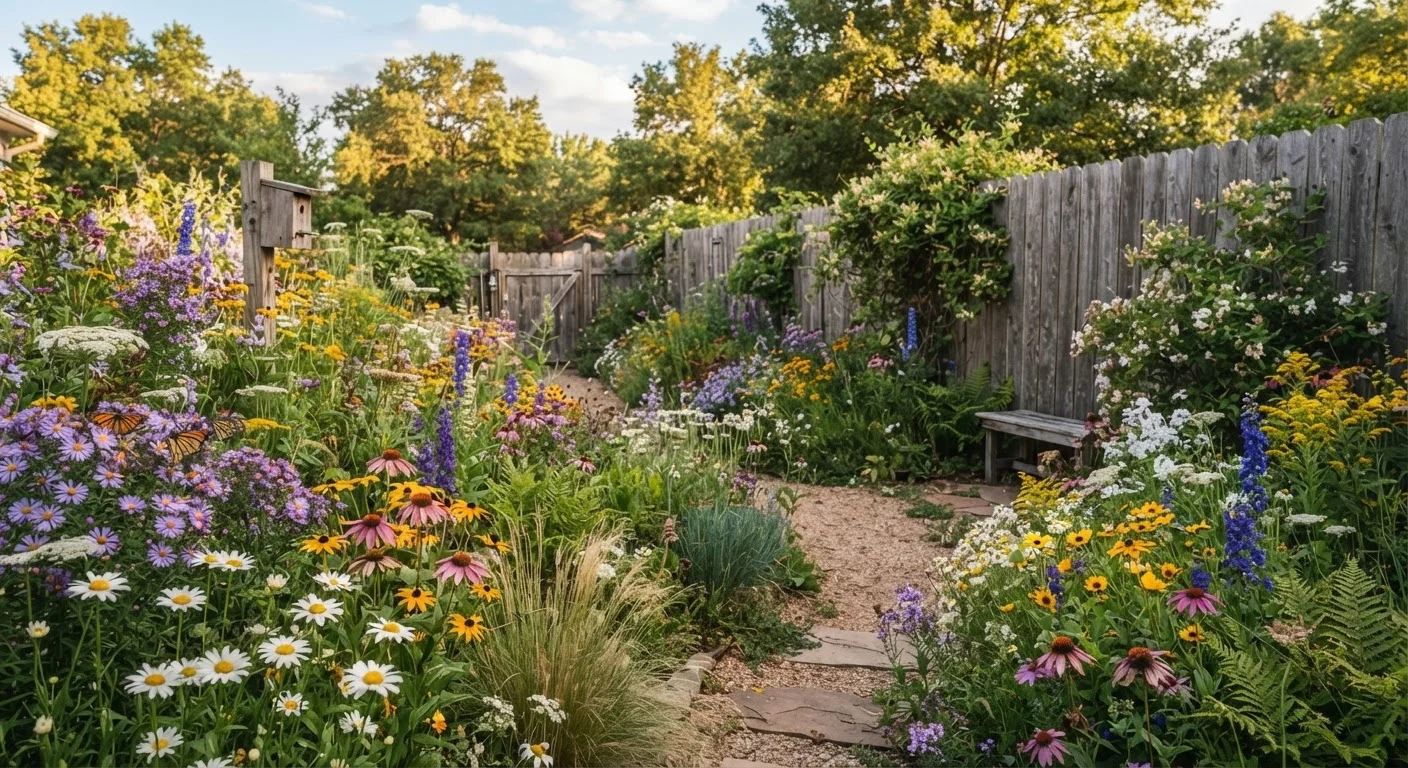
This distinction is important because it directly shapes how a plant performs in your yard. A coneflower (Echinacea purpurea) native to eastern prairies has built-in tolerance for the soil chemistry, seasonal drought, and pest pressures of that region. An imported ornamental may look similar but lack the same ecological relationships and resilience.
Native Doesn't Always Mean Local
A plant can be native to North America but still be ecologically mismatched to your specific region. For example, switchgrass (Panicum virgatum) is native across much of the US, but cultivars bred for ornamental traits may behave differently than locally sourced seed stock. When possible, seek plants propagated from local or regional seed sources, sometimes labeled 'local ecotype' by specialty nurseries. Your state's native plant society is a reliable starting point for sourcing guidance.
If you're building a garden from the ground up, understanding plant origins is a good early step. See our complete first-timer's roadmap for guidance on planning and soil prep before you plant anything.
The Advantages of Going Native
The practical case for native plants is grounded in how well-matched plants reduce the ongoing work of gardening.
Lower water needs once established
Native plants are adapted to regional rainfall patterns and typically require far less supplemental irrigation than exotic ornamentals after their first one to two seasons.
Supports pollinators and local wildlife
Native plants have co-evolved with local bees, butterflies, birds, and other wildlife, providing food sources and habitat that imported species often cannot replicate.
Reduced need for fertilizers and pesticides
Because natives are suited to local soil conditions and have natural pest defenses honed over millennia, they generally need fewer chemical inputs to stay healthy.
Greater long-term resilience
Adapted to local temperature extremes, drought cycles, and soil chemistry, native plants tend to recover from weather stress better than non-adapted species.
Erosion control through deep root systems
Many native grasses and perennials develop extensive root networks that anchor soil, improve water infiltration, and reduce runoff - particularly valuable on slopes.
These benefits compound over time. Native perennials typically deepen their root systems in years two and three, becoming increasingly drought-tolerant and structurally stable. For homeowners looking to reduce overall garden labor, natives are a natural fit - especially in combination with other low-maintenance landscaping approaches that prioritize plant selection and design over constant intervention.
The Real Drawbacks to Consider
Native plants are not a universal solution, and several legitimate challenges deserve honest attention before you commit.
Slow, sometimes frustrating establishment period
Many native plants invest their first season in root development rather than visible top growth, which can look like failure to inexperienced gardeners expecting quick results.
Regional specificity creates a research burden
A plant labeled 'native' at a garden center may not be native to your specific region, requiring extra research to ensure ecological and horticultural suitability.
Limited availability at mainstream retailers
Many truly regional natives are not stocked at big-box garden centers, requiring sourcing from specialty native plant nurseries or local plant sales - which takes time and planning.
Some natives spread aggressively
Certain native species - particularly some goldenrods, asters, and groundcovers - spread readily by rhizome or seed and may require management to stay within their intended area.
Pest pressure also shifts rather than disappears. Native plants support more insect diversity, which includes herbivorous insects that can cause visible damage. This is ecologically normal and usually self-regulating, but it can surprise gardeners expecting pristine foliage. For a practical look at managing what's feeding on your garden, our guide to common garden pests covers identification and response options.
Choosing the Right Natives for Your Region
The single biggest mistake in native gardening is treating it as a monolithic category. The US spans dozens of distinct ecological regions - what thrives in a Midwest tallgrass prairie setting will struggle in a coastal California garden or a humid Florida landscape.
Start by identifying your ecoregion and hardiness zone (USDA Plant Hardiness Zone Map is a widely used public reference). State extension services and native plant societies publish regionally specific plant lists that are more useful than general gardening books. Look for plants suited not just to your zone but to your specific conditions: sun exposure, soil drainage, and moisture availability.
~4,000+
Native bee species in the US
The USDA estimates over 4,000 native bee species exist in the United States, most of which depend on regionally specific native plants for pollen and nesting resources.
Up to 75%
Reduction in landscape water use
The EPA's WaterSense program has noted that replacing traditional turf and exotic plantings with climate-adapted, native species can reduce landscape water use significantly in water-stressed regions.
Mixing natives with adapted non-invasive plants is also acceptable - a garden doesn't need to be 100% native to provide meaningful ecological benefit. Even a 30-50% shift toward regional natives can meaningfully increase pollinator activity and reduce irrigation demand.
Getting Started Without Overwhelming Yourself
The most effective approach is to start small and observe. Choose one area - a border, a rain garden, or a section of lawn - and replace it with three to five native species suited to those conditions. This keeps the project manageable and gives you a season to learn how each plant behaves before expanding.
Consider your planting method as well. In-ground planting suits most native perennials and shrubs, which benefit from unrestricted root growth. Our comparison of raised beds vs. in-ground planting can help you decide which setup fits your soil and goals. For watering during the establishment period, a targeted approach like drip irrigation reduces waste - see our overview of drip irrigation vs. sprinkler systems for a practical comparison.
Give new plantings two full growing seasons before drawing conclusions about their performance. Slow above-ground growth in year one often reflects root development that will pay dividends in resilience for years to come.