

Key Takeaways
- Slow travel means fewer destinations and longer stays, not necessarily a cheaper or easier trip.
- It suits travelers who value routine, context, and local connection over maximum coverage.
- Remote workers, retirees, and repeat visitors tend to adapt most naturally to slow travel.
- Slow travel is not inherently off-season or budget - it's a philosophy about pace and presence.
- It involves real trade-offs: you'll see less geography but likely understand more of what you do see.
Slow Travel
Slow travel is an approach to trips that prioritizes depth over breadth - spending more time in fewer places rather than rushing through a highlights reel. It typically means renting accommodation like a local, building routines, and letting a destination unfold naturally rather than following a packed itinerary. The goal is genuine familiarity with a place, not just a checklist of sights.
The term draws partly from the broader 'slow movement' (slow food, slow living) that emerged in Europe in the late 1980s as a reaction to fast-paced consumer culture.
What Slow Travel Actually Looks Like in Practice
Strip away the Instagram aesthetics and slow travel comes down to one concrete choice: stay longer, go fewer places. Instead of spending two nights in Paris, three in Barcelona, and two in Lisbon, a slow traveler might spend two weeks in a single Lisbon neighborhood - shopping at the same market, learning which café has reliable Wi-Fi, and eventually getting a nod of recognition from the person at the bakery counter.
That familiarity is the point. Slow travel creates conditions for the kind of unplanned moments that rushed itineraries crowd out: a conversation with a neighbor, a neighborhood festival you only heard about because you were still there, or simply understanding which part of the city actually feels alive after dark versus which part exists for tourists.
Practically, it often means renting an apartment rather than booking a hotel, cooking some meals at home, and treating the destination as a temporary home rather than a set of attractions to complete. It can work in cities, coastal towns, or rural areas - Portugal's interior regions, for example, reward exactly this kind of unhurried exploration.
Building a Slow Travel Routine
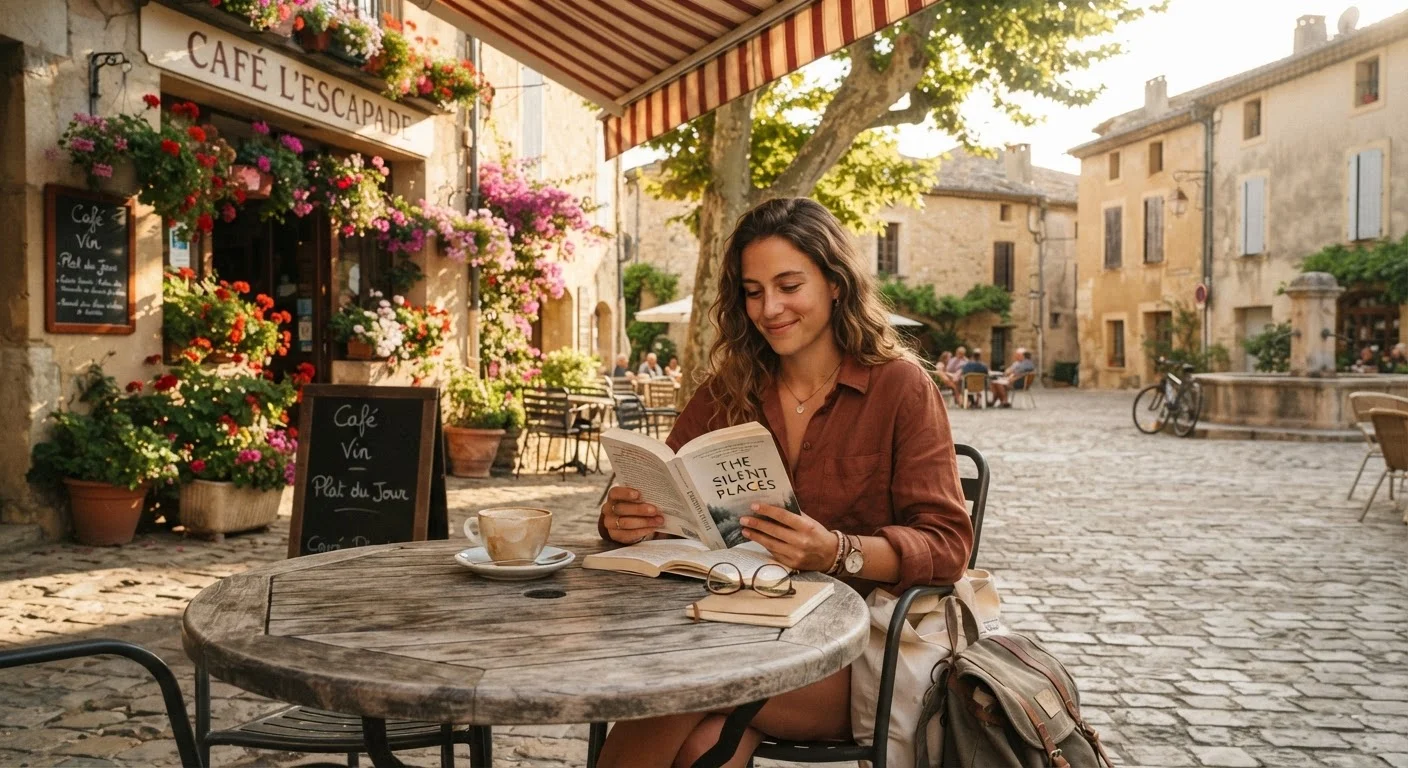
The fastest way to settle into a place is to find two or three repeating anchors - a morning coffee spot, a local grocery store, a walking route. These small habits create the sense of familiarity that distinguishes slow travel from simply staying longer. You don't need a packed schedule; you need a few consistent touchpoints.
Who It Actually Suits - And Who It Doesn't
Slow travel works best for people who genuinely enjoy routine and are curious about everyday life in other places - not just the landmark version of a destination. It suits remote workers who can maintain their schedule while abroad, retirees with flexible time, and repeat visitors who already have the highlights covered and want something more textured.
It's a harder fit for travelers who are motivated primarily by variety and novelty. If your energy comes from seeing new places and ticking off iconic experiences, a two-week stay in one mid-sized city may feel limiting rather than enriching. That's not a flaw - it's just a different travel personality. The distinction between travel philosophies often comes down to what actually re-energizes you, not what sounds virtuous.
Slow travel also demands comfort with unstructured time. If a day without a plan creates anxiety rather than freedom, a more structured trip - whether self-planned or guided - may genuinely serve you better. See how solo planning compares to organised tours for a clearer sense of where your preferences land.
1-4 weeks
Typical minimum stay for meaningful slow travel
Most slow travel practitioners and travel writers identify stays of at least one to four weeks as the threshold at which genuine local familiarity begins to develop.
35%
Remote workers who extend trips to explore locally
A 2023 Expedia Group survey found that a significant share of remote workers reported extending work trips specifically to spend more time experiencing a destination at a slower pace.
The Real Trade-Offs Worth Knowing
Slow travel is not a universally superior mode - it involves genuine costs. The most obvious is geographic coverage: a slow month in one country means you won't see three others. For first-time visitors to a region, that trade-off can feel steep.
There's also a social dimension worth considering. Slow travel done solo can be deeply immersive, but it can also be isolating if you're not naturally at ease building new connections from scratch. Travelers who thrive with company might want to weigh group travel versus solo travel carefully before defaulting to the slow solo approach.
Finally, slow travel doesn't automatically mean cheaper or more authentic. Popular destinations remain expensive regardless of how long you stay, and tourist infrastructure exists whether you engage with it for three days or three weeks. The quality of the experience depends less on duration than on genuine curiosity and a willingness to move beyond the obvious.
If the slow travel appeal is partly about avoiding crowds, it's also worth understanding that off-season travel involves its own nuances - quieter doesn't always mean better, and timing matters more than pace in some destinations.
“Travel is not really about movement - it's about attention. Speed is the enemy of noticing.”
— Pico Iyer, Travel author and essayist known for writing on slow and contemplative travel